Intel Confirms Razor Lake-AX: 700 TOPS AI Chip Arrives in 2028 for Robotics
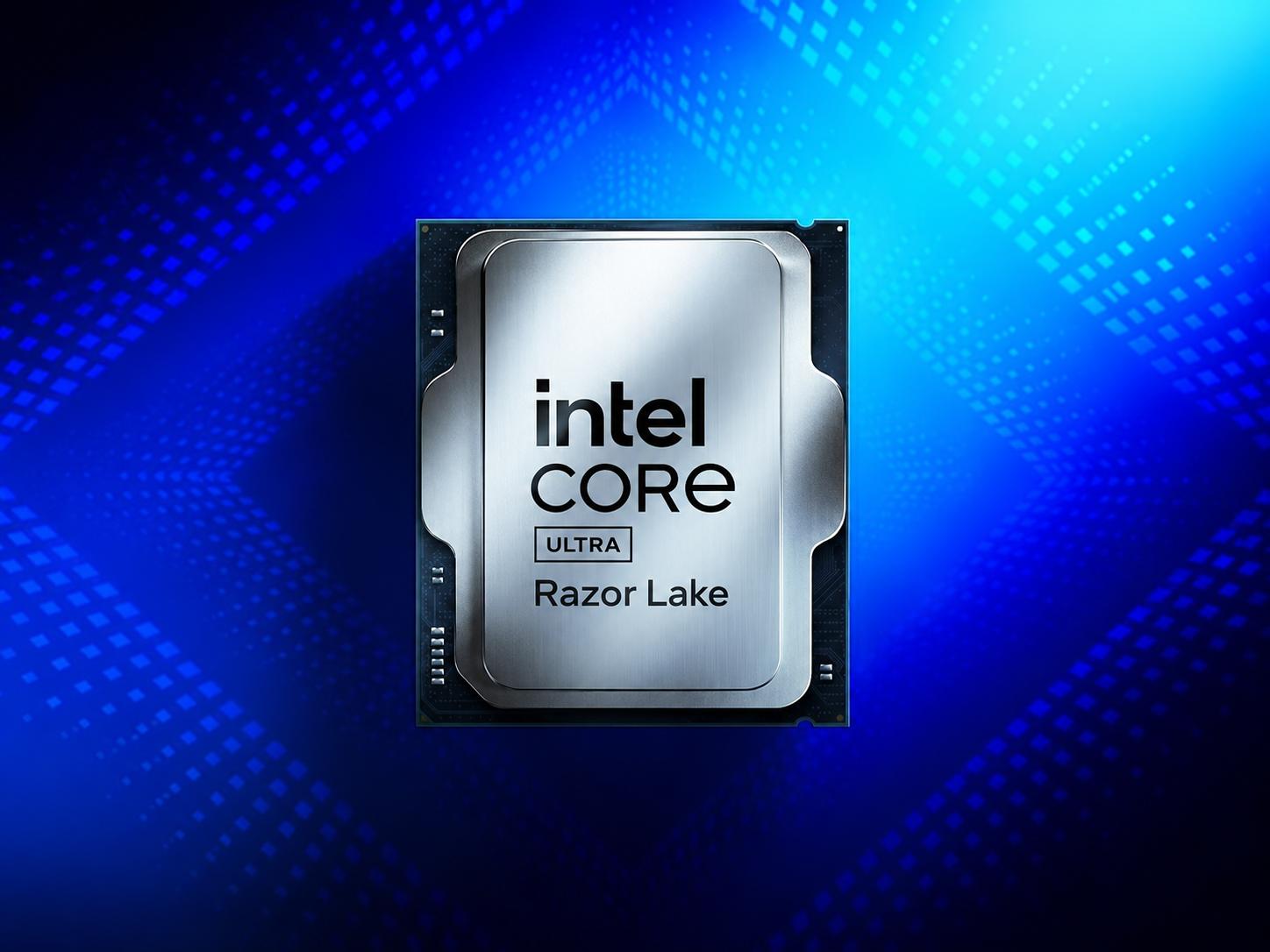
After months of speculation, Intel Razor Lake-AX has finally been acknowledged in public by the company itself. The processor is now on record as a 2028 product targeting roughly 700 TOPS of AI performance, and its intended destination is not the laptop shelf but the fast-moving world of robotics.
What Intel has now put on the table
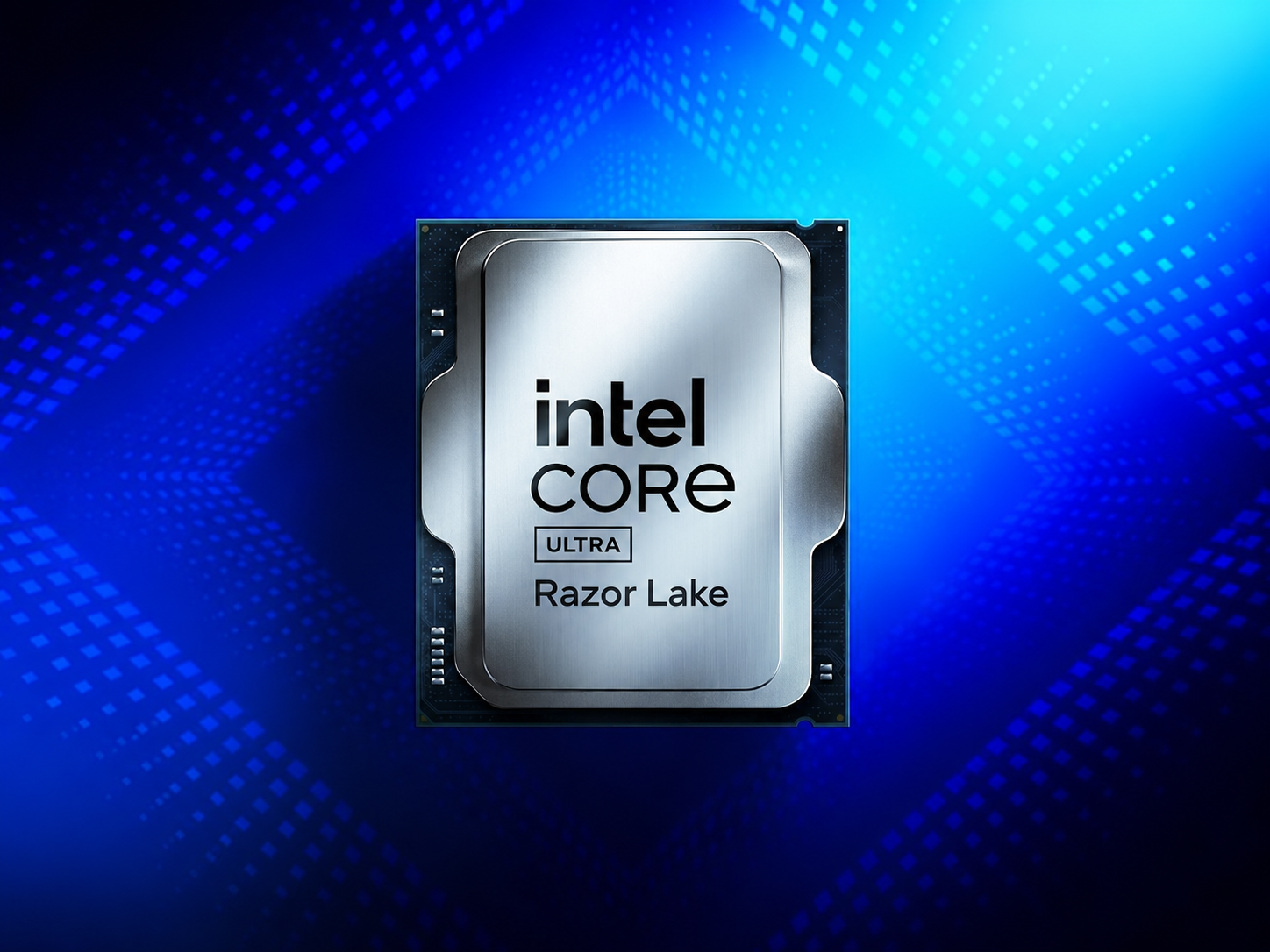
The disclosure came from Intel executive Cho Min-sung, who laid out the company’s robotics roadmap during the Semiconductors Powering Humanoids conference on 16 October. The Elec, a South Korean publication, reported on the remarks. Until that presentation, Razor Lake-AX had existed only in leaks and rumor threads.
Intel’s roadmap places two robotics-oriented chips on a clear timeline. Nova Lake is scheduled for early 2027. Razor Lake-AX follows in 2028, with the roughly 700 TOPS figure attached to its AI capability.
How the 700 TOPS target compares
The company’s current robotics platform is Panther Lake, which delivers up to 180 TOPS. Razor Lake-AX therefore represents close to a fourfold increase in AI compute. That jump matters because Intel is aiming at humanoid robots that must handle perception, decision-making and real-time control on the device itself, rather than relying on remote compute.
The 700 TOPS number comes with gaps. Intel has not said which numerical precision the figure assumes, nor how much of the total comes from the CPU, GPU or NPU. Power consumption, memory capacity and graphics performance are also undisclosed.
What the leaks suggest about the hardware
Rumors over the past few months initially called the chip Nova Lake-AX. Leaker Jaykihn has claimed it reuses Nova Lake’s Coyote Cove P-cores and Arctic Wolf E-cores. Leaks have also pointed to 16 or 32 Xe3P GPU cores and possible on-package memory in the manner of Lunar Lake. One reported omission is the big Last Level Cache, or bLLC, that other Razor Lake chips are rumored to carry.
Elsewhere in the Razor Lake family, Intel is expected to use newer Griffin Cove and Golden Eagle cores. Whether Razor Lake-AX will also turn up in conventional laptops or mini PCs is not confirmed.
Robotics is the point, but AMD is in the frame
Before Intel’s acknowledgment, Razor Lake-AX was widely discussed as a counter to AMD’s Strix Halo and Medusa Halo APUs. That competitive angle may still apply. Yet the conference presentation makes clear that Intel’s primary framing is robotics, where a single chip delivering more compute could reduce the need for a separate GPU.
Intel already offers the Panther Lake-based Robinson Bay development platform, alongside software tools including OpenVINO, Physical AI Studio and Robotics AI Suite. The company expects autonomous mobile robots to reach mass production in 2027, with humanoid robots following in 2028 — the same year Razor Lake-AX is due.













1 comment