Why the Dodgers Should Make Shohei Ohtani a Full-Time Hitter
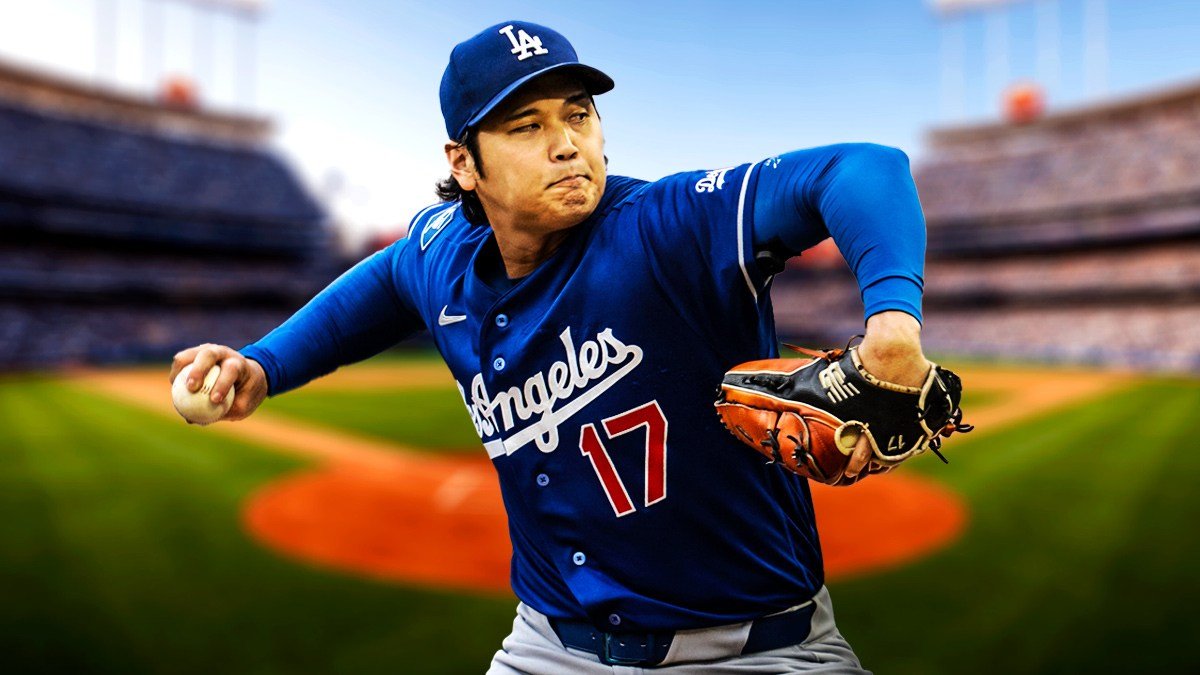
The case for ending Shohei Ohtani’s two-way role begins with a simple question: what is the best use of a player whose contract reflects both his bat and his arm? The Los Angeles Dodgers face that decision after a 2026 season in which Shohei Ohtani pitching delivered elite results for three months before his body intervened, and his hitting slipped in the second half. The answer should be to make him a full-time hitter.
A pitching line that demands attention

Through June 3, Ohtani looked like the ace of a championship rotation. He posted a 0.74 ERA over 61 innings, and his season totals still read 8-2 with a 1.79 ERA and 0.95 WHIP. In 85 2/3 innings, he struck out 95. He pitched at least six innings in 13 of his 14 starts. Those numbers explain why the idea of removing him from the mound feels counterintuitive.
Two injuries, one shutdown

But the season turned. A June 11 start in Pittsburgh ended early, and Ohtani took the ball only three more times after that. Left knee irritation caused him to be scratched from a July start, and right biceps inflammation emerged later. He last pitched on July 3, and in September the Dodgers confirmed he would not pitch again in 2026. Ohtani later said the biceps issue was not initially reported. The two separate physical problems raise a question about how much of a two-way workload his body can sustain.
The ripple effect on the rotation and the lineup

The shutdown forced the Dodgers to adjust. They needed Tarik Skubal for their playoff rotation, a sign that Ohtani’s absence created a real hole. The effect on his hitting was just as clear. After the All-Star break, his batting average fell nearly 50 points. He hit .128 over a 10-game stretch before an injured list stint. From August 18 until the NLCS, he hit no home runs. His season line of .275 with 30 home runs, 81 RBIs, 89 runs and 11 stolen bases looks solid, but the second-half decline is hard to ignore.
Postseason struggles and a two-way debate
October offered little reassurance. In eight playoff games, Ohtani went 5-for-26 with 10 strikeouts. His OPS in the NLDS against Atlanta was .421. He did hit a Game 4 home run in the NLCS, but the Dodgers were swept by the Brewers. For a player paid as a two-way star, the combination of a compromised pitching season and a diminished bat raises the cost of keeping both roles. A healthy Ohtani as a designated hitter remains MVP-caliber. A compromised two-way role risks uncertainty on both sides.
What comes next
Ohtani has said he definitely plans to pitch in 2027, when he will be 33. He also said it is hard to tell whether offseason surgery is needed. That leaves his spring training readiness uncertain. The Dodgers have not announced a decision on his role, and the brief does not indicate one. But the evidence from 2026 points in one direction: preserving his bat by ending his pitching duties may be the safest way to protect his value. The decision belongs to the Dodgers, but the season made the argument for them.







1 comment