Intel’s Rebuild Nears 80 Percent, but Tan Stays Cautious on Foundry and China
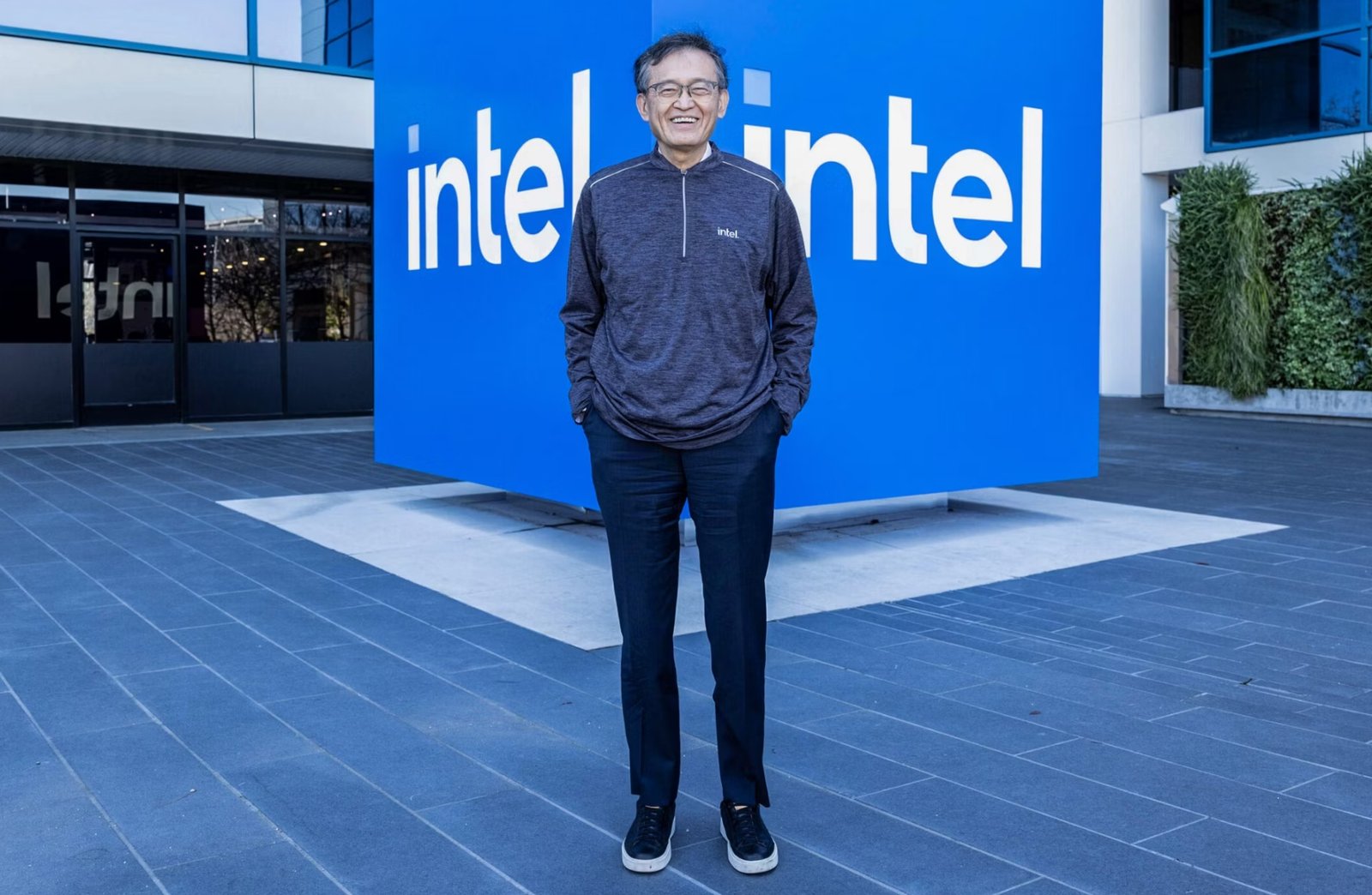
Intel restructuring is roughly 80 percent complete, CEO Lip-Bu Tan said in an interview with Nikkei, offering the clearest progress marker yet on a turnaround that has already reshaped the company’s leadership and drawn fresh outside capital. Tan, who took the top job in March 2025, did not identify the remaining measures or say when the work would finish.
A leadership overhaul, mostly finished
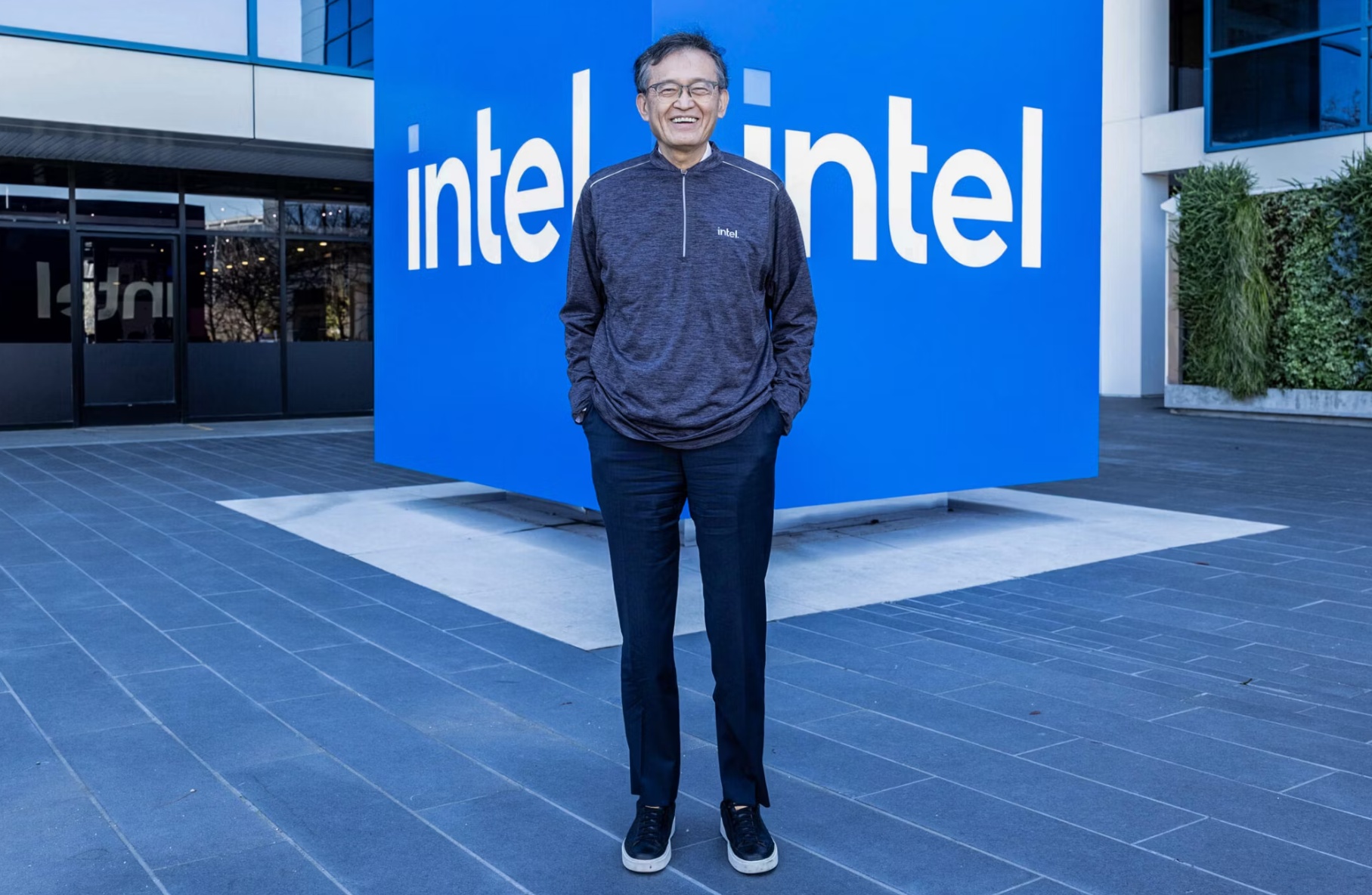
Since Tan became CEO, most of Intel’s senior leaders have been replaced. The company also brought in Seok-Hee Lee, the former CEO of SK hynix, as an executive. The changes signal how thoroughly Tan has moved to put his own team in place while the broader restructuring continues.
The overhaul follows a turbulent stretch. Intel reported a $16.6 billion net loss in the third quarter of 2024. Pat Gelsinger, who had committed billions to capacity and foundry expansion, stepped down in December 2024. Tan inherited a company still seeking to regain ground in advanced manufacturing and AI chips.
Investors place fresh bets
Outside investors have bought into the recovery. Nvidia purchased $5 billion of Intel shares, and SoftBank bought $2 billion. Intel’s stock has risen about fourfold since Tan became CEO. The investments add financial backing, though the brief does not specify the exact current size of either stake.
The U.S. government is also a shareholder. It converted funding into an $8.9 billion Intel investment and initially received a 9.9 percent stake. After a subsequent share offering, that stake fell to about 8.2 percent. The government holds no board representation. Tan said the stake does not influence Intel’s strategy and that the company remains independent in its decision-making.
Catching TSMC is a long game
Intel still trails TSMC in leading-edge chip manufacturing, and Tan framed the foundry gap as a multiyear problem. He pointed to TSMC taking 10 to 20 years to become the leading foundry. Rebuilding contract manufacturing at Intel will likewise take years, he said. New manufacturing technology and fabs require billions of dollars over many years, and Tan said government support could aid long-term investments.
Intel also competes with Nvidia and others in AI chips, a market where the company is trying to establish a stronger position. The brief does not detail which specific manufacturing technologies Intel plans to deploy.
China’s chip industry draws notice
Tan said U.S. and Chinese chip firms each have strengths and weaknesses, and that Chinese companies are not far behind in chip technology. He said consumer and enterprise needs are the key consideration, and that geopolitical restrictions must be taken into account. His comments stop short of a fuller assessment of China’s capabilities.
With the restructuring near completion but the foundry challenge far from solved, Intel’s next phase will test whether a leaner leadership team and fresh investor support can translate into durable progress in manufacturing and AI.












1 comment