Tesla’s Roadster 2 Turns the 4680 Cell Into a Ten-Minute Charger
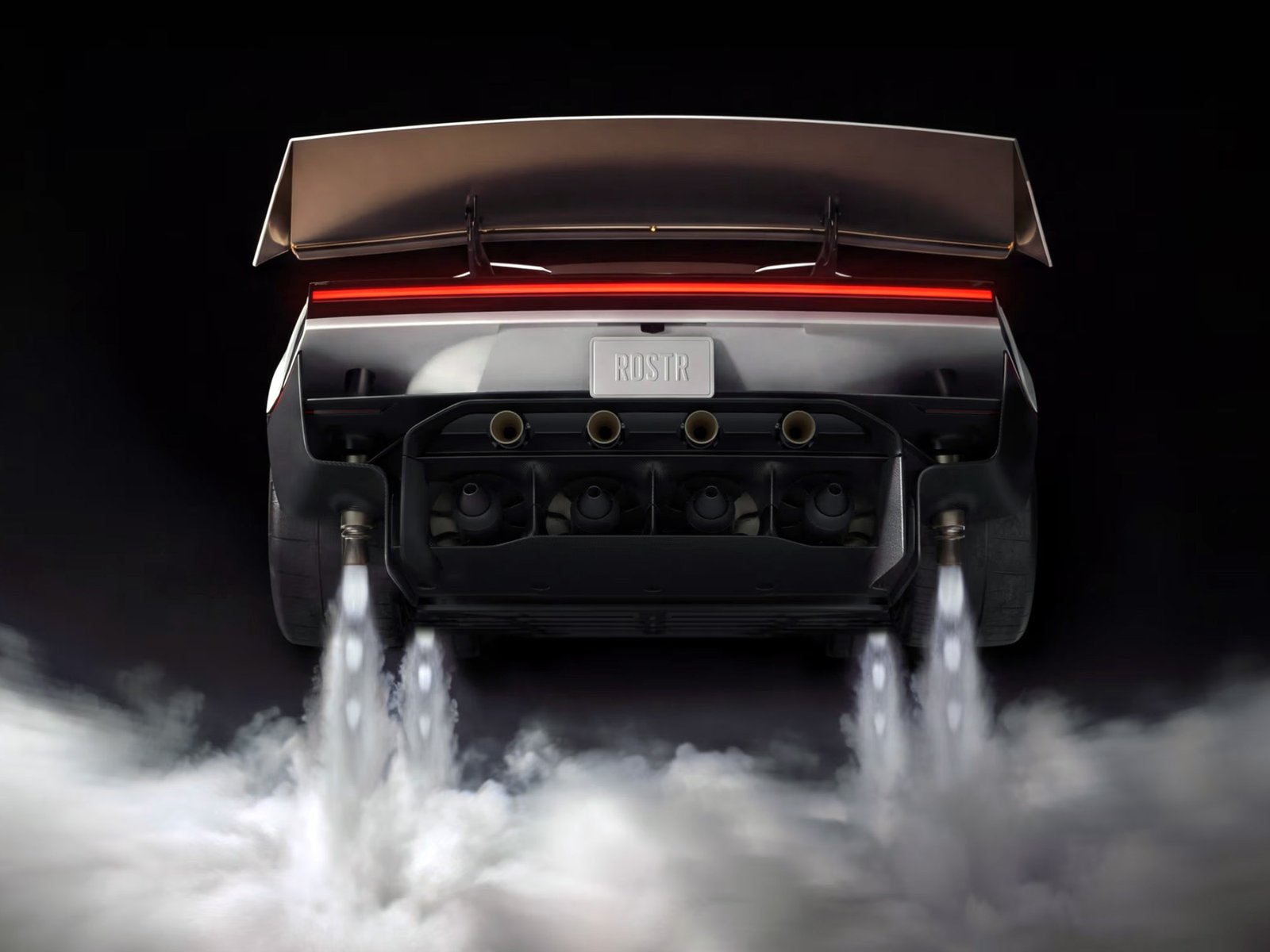
Tesla Roadster 2 4680 battery charging is now the headline claim for the company’s long-promised sports car: a 15% to 80% top-up in ten minutes. That makes it Tesla’s fastest-charging vehicle, according to chief engineer Lars Moravy, who described the work behind the figure in an interview published via Hagerty on YouTube.
The number is impressive on its face, but it comes with two caveats that matter for anyone imagining a track-day toy. The charging window begins at 15%, not the 10% many rivals quote, and Moravy said the car may need to be plugged in every half hour when driven at full throttle on a circuit.
A 4680 cell rebuilt for power, not just cost
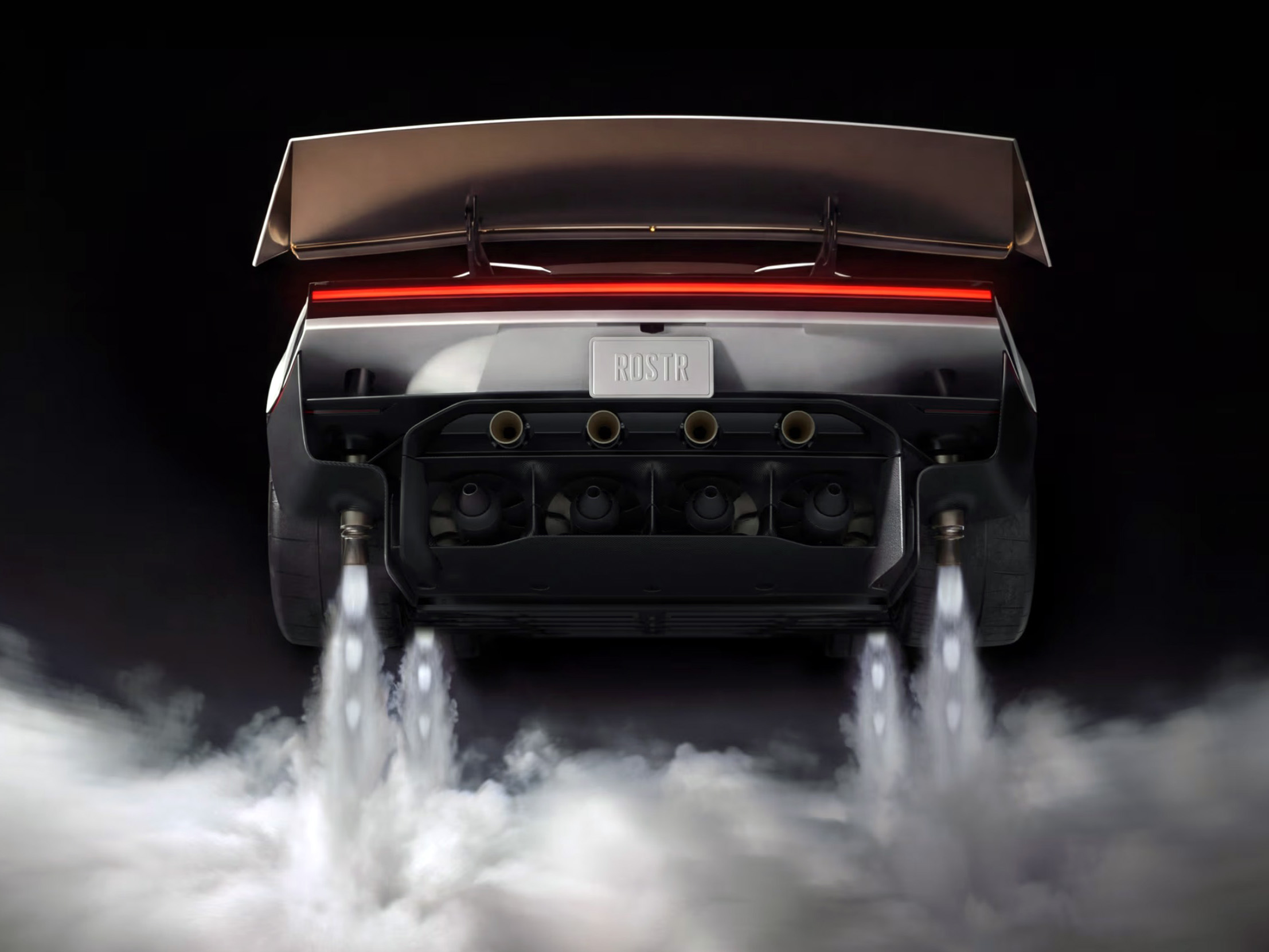
The Roadster keeps the same 4680 cylindrical form factor and 800V powertrain architecture found in the Cybertruck and Tesla Semi. What changes is the chemistry and the packaging. Moravy credited a high-power chemistry and lighter aluminum cans in place of steel for the charge rate. He also said the team developed a dedicated battery aimed at sustained performance rather than ordinary road use.
That focus on the track explains the half-hour charging estimate. A battery designed to deliver repeated hard laps will still consume energy quickly, and the Roadster’s listed range of more than 300 miles is a road figure, not a track one.
How the claim stacks up
Against premium US rivals, the Roadster’s paper advantage is clear. The Porsche Taycan and Audi e-tron GT peak at 320 kW and take about 18 minutes to go from 10% to 80%. The Roadster’s ten-minute window is shorter and starts from a higher state of charge, so the two figures are not directly comparable.
BYD’s Flash Charge is a closer benchmark. It covers 10% to 97% in roughly ten minutes, a much wider window than Tesla is claiming.
The 4680’s uneven history
Tesla’s cylindrical cell was originally a cost project, targeting 50% savings. Early Model Y units used first-generation 4680 cells, and the chemistry later appeared in the Cybertruck as second-generation Cybercells. Charging has been a weak point along the way: the 4680’s charging curve caused problems in earlier applications, and the Cybertruck has struggled to hold power at 500 kW V4 Superchargers.
A teardown comparing BYD’s Blade cell with Tesla’s 4680 found lower energy density and thermal inefficiency on the Tesla side. Tesla has since mastered dry cathode production and continued refining manufacturing toward a goal of the cheapest cell per kWh made in the US.
What remains unproven
Tesla has not detailed the exact chemistry or packaging changes, nor the battery’s capacity. Double-sided cooling has been suggested as a possible reason the Roadster can sustain higher charge rates, but Moravy did not confirm it. The full charging curve beyond 15% to 80% is also unpublished.
The real test will be repeated fast-charging sessions on a track day, where the Roadster’s ten-minute claim will meet the limits of sustained performance.








1 comment