Huawei Watch 6 Pro Space Edition: Titanium Build, Bright Display, and a Narrow App Path
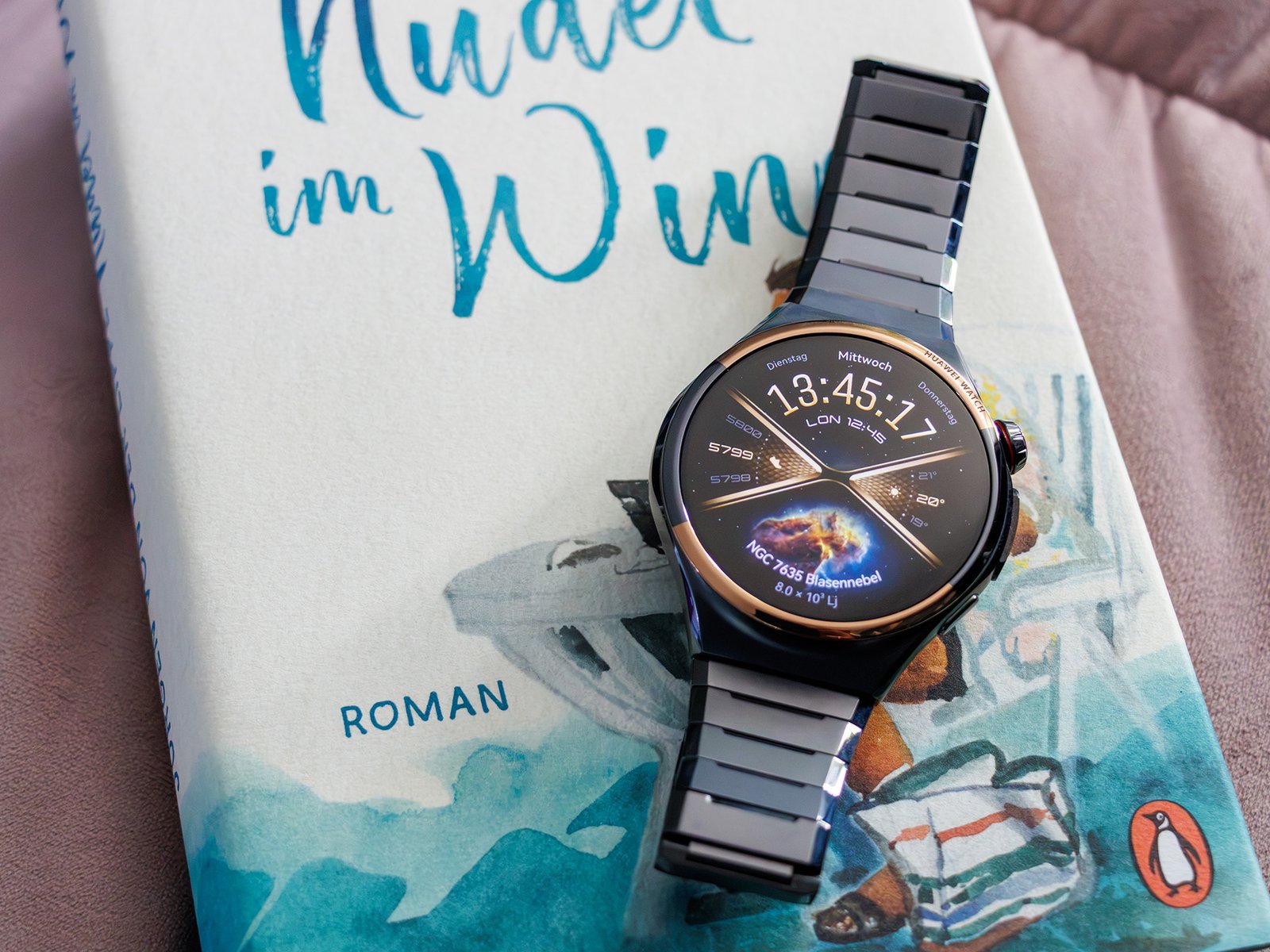
This Huawei Watch 6 Pro Space Edition review looks at a premium wearable that pairs a titanium case and ceramic bezel with a 1.5-inch LTPO AMOLED screen, eSIM support, and a health sensor array. At 679 Euro, it sits in the upper tier of smartwatches, and the Space Edition adds a titanium link bracelet along with a black fluoroelastomer strap in the box. The watch weighs about 60 g without the bracelet, measures 46.4 mm across the case, and is 11.4 mm thick.
Build and display
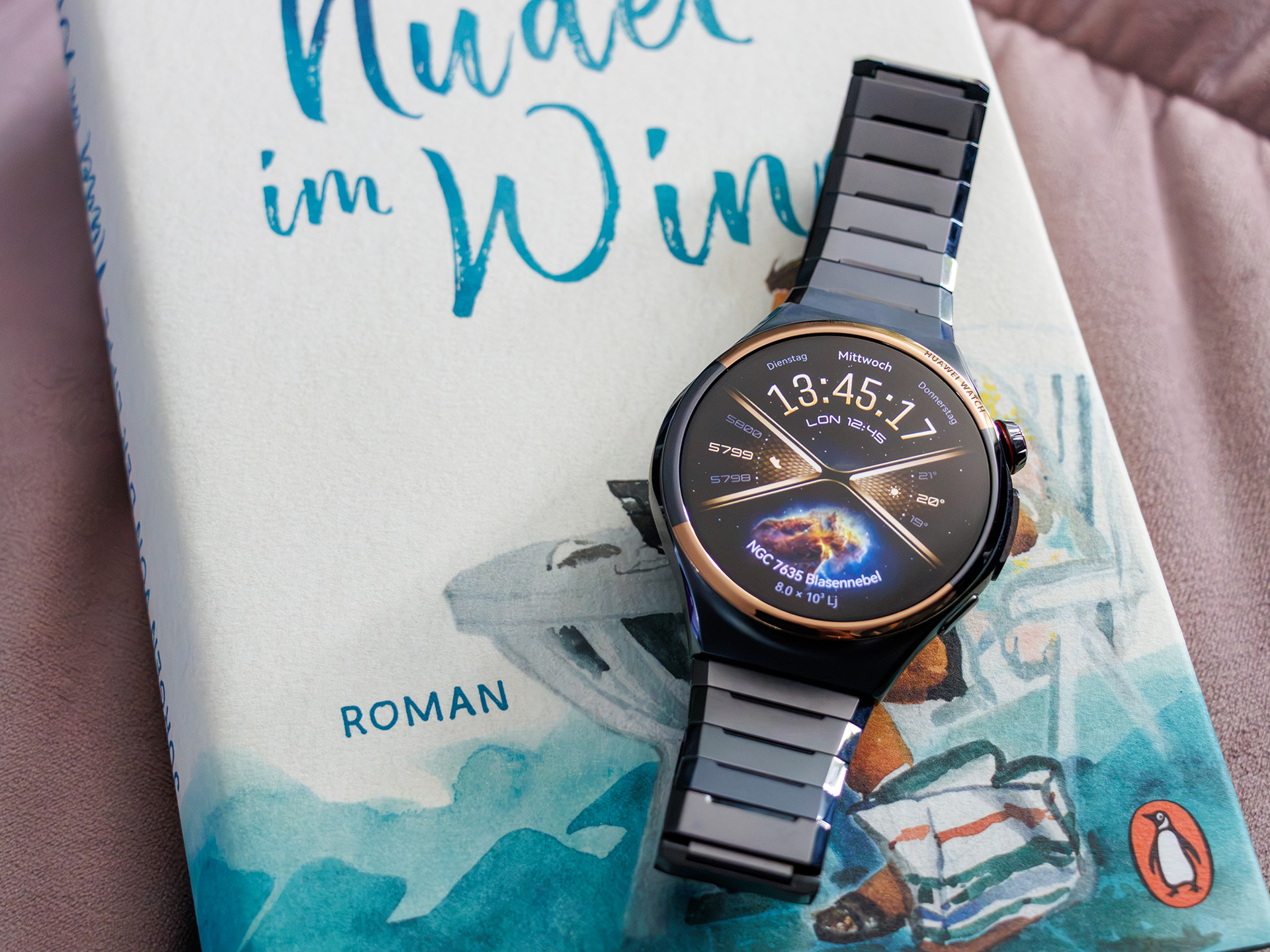
The materials are the first thing you notice. Titanium gives the case a lighter feel than steel, while the ceramic bezel and ceramic case back add scratch resistance and a clean finish. Gold-colored accents break up the dark tones. Sapphire glass protects the display, which has a resolution of 466 x 466 pixels and a pixel density of 310 PPI.
Brightness is where the Watch 6 Pro separates itself from many rivals. Huawei claims 3,500 cd/m², but the reviewer measured a peak of 3,637 cd/m² with auto brightness enabled. Turn auto brightness off and the panel tops out at 577 cd/m². Minimum brightness is 5.85 cd/m². The LTPO panel supports always-on display and a dynamic refresh rate, though testing detected 60 Hz PWM flicker. Reflections from the cover glass proved distracting in some conditions.
Health and fitness tracking
The X-Tap 2.0 sensor combines optical, ECG, and pressure sensing. Huawei says the Health Glance feature can measure up to eleven metrics in about 60 seconds. In testing, resting heart rate matched a Polar H10 chest strap at 60 bpm, and cycling heart rate showed a mean absolute percentage deviation of 2.3%. The watch reacts more slowly than a chest strap to rapid heart rate changes. SpO2 readings ran one to two percentage points higher than a Braun oximeter. Sleep tracking separates light, deep, and REM sleep and records wakefulness.
More than 100 workout modes are available, along with an outdoor expedition mode, offline maps, and route transfer. GNSS performance was close to a Garmin Venu 2 on distance: 9.38 km against 9.33 km on a 9.3 km ride. Elevation gain was a different story, with Huawei recording 81 m and Garmin 36 m, a gap the reviewer called significant.
Battery, connectivity, and software
The 867 mAh battery lasted about six days with always-on display off. With AoD on, it fell from 100% to 8% over four days and 17 hours. The included magnetic pad charged the watch from 8% to 100% in 62 minutes, but no power adapter is included. eSIM and LTE support standalone calls, and dual-band GNSS covers GPS, Glonass, Galileo, BeiDou, and QZSS. NFC enables Curve Pay contactless payments. Water resistance is rated at 5 ATM, IP68, and IP69, with Huawei claiming freediving to 40 m; it is not intended for scuba diving.
HarmonyOS 7 runs on the Kirin W80 chipset with 64 GB of storage. The app selection is limited. WhatsApp cannot be installed directly, and its messages only arrive via a paired smartphone. The Celia voice assistant works only with compatible Huawei phones, and Google Gemini and Siri are unavailable. Notifications forward to Android and iOS, but replies are possible only on Android, via emoji, quick replies, or keyboard. On iOS, messages can be read but not answered. Setup requires the Huawei Health app and a Huawei ID; Huawei Health is not on the Google Play Store and must be obtained through Huawei AppGallery or other manufacturer stores.
Gesture control worked reliably in testing, and a wrist-rotation gesture can silence alarms or exit menus. The right side has a rotating clickable crown and a secondary button. The 22 mm bracelet uses a quick-release mechanism. The battery is not user-replaceable, and Huawei provides no details on long-term software support, carbon footprint, recycled material proportion, or repairability. The packaging is mostly paper and cardboard but is shrink-wrapped in plastic.
The Watch 6 Pro Space Edition delivers on materials, display brightness, and battery life. Its main weakness is the software ecosystem, which limits apps and some smart features. For buyers who value hardware and health tracking over app variety, it is a strong option; for those who need a broad app library or full iOS replies, the limitations are hard to ignore.








1 comment