A Calm Weekend, a Collapsing Coast: Long Beach Peninsula Loses Homes to October Flooding
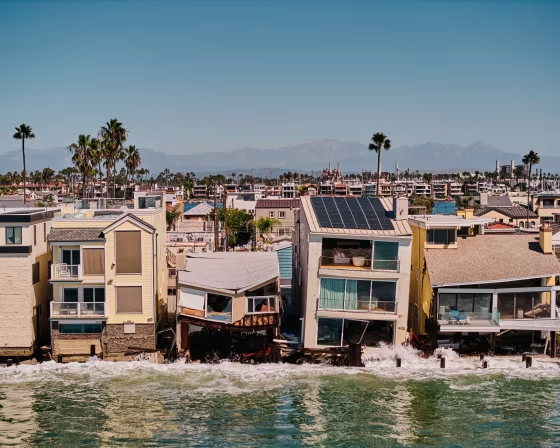
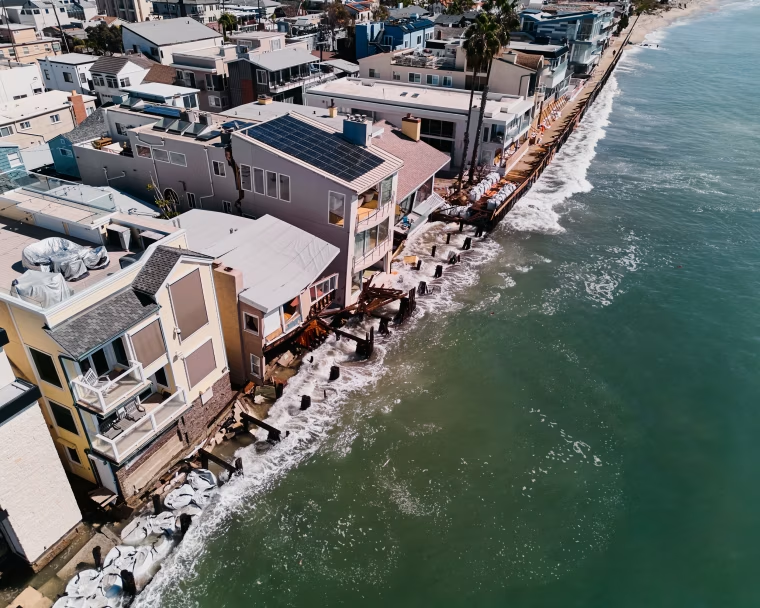
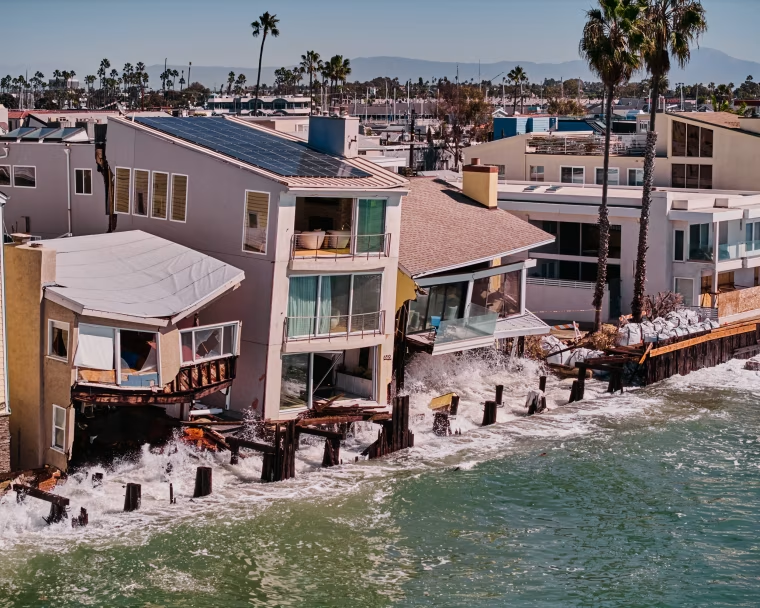
Southern California coastal flooding tore through the Long Beach Peninsula between October 9 and 11, 2026, destroying more than a dozen homes and leaving eight structures containing 13 residences unsafe to enter. The damage unfolded over a sunny, calm weekend — no rain, no wind — driven instead by ocean swells that had been building for weeks.
An Escape Through the Bedroom Window
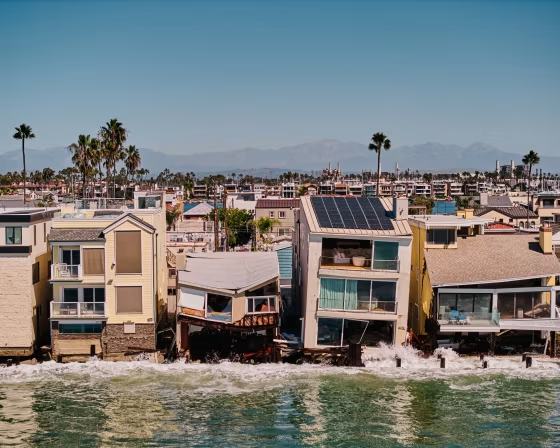
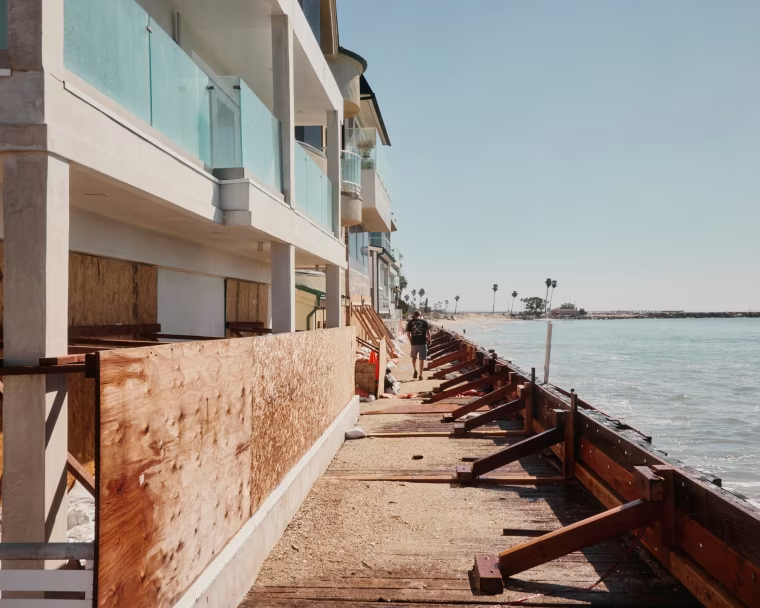
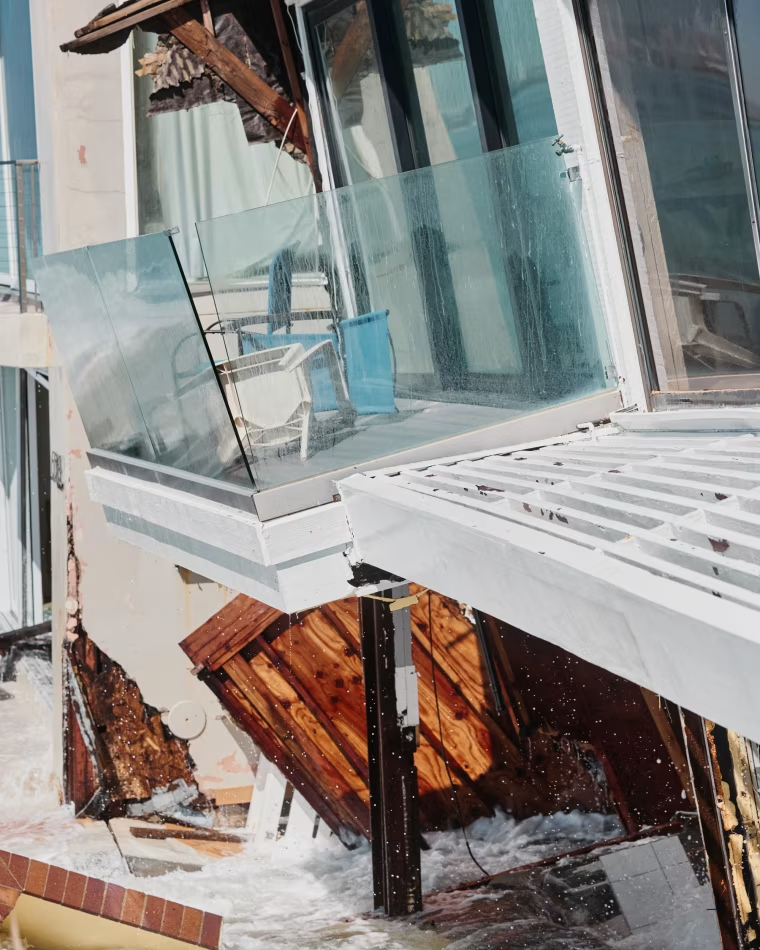
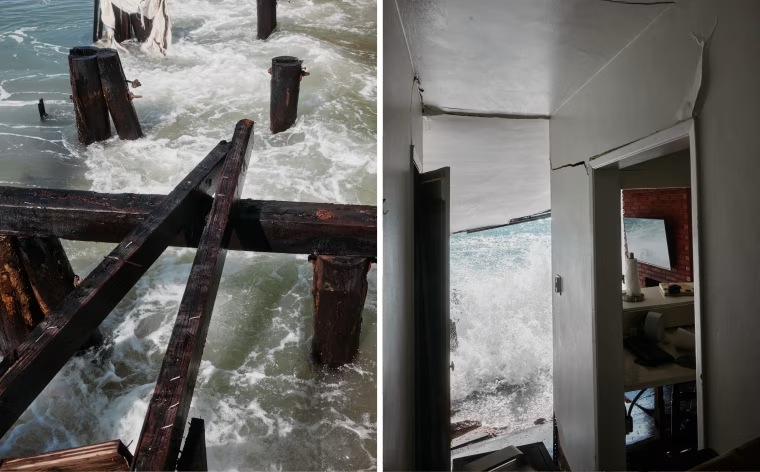
Shawn Curtis was inside his two-story apartment building at 3:30 a.m. on October 9 when the waves arrived. They sounded, he said, like an earthquake and shook the structure. Water reached the second floor. Neighbors watched it cascade onto the roof. The building tilted toward the ocean, and the boardwalk in front of his front door — a popular stretch of walkway — was destroyed.
Curtis fled through a bedroom window with his dog, Lux. He later described the house as destroyed and said he and others had run for their lives. Drone footage showed his couch floating in the ocean. For days afterward he wore the same clothes and lost track of the date. His roommate, who did not want to be named, returned in a U-Haul truck to collect belongings. Tenants were given two hours to retrieve what they could before the building was scheduled for demolition, with inspectors and contractors standing by.
Two weeks before the flooding, Curtis had told his landlord he wanted to move out. He still plans to leave — but not the peninsula. He said he would relocate to the bay side, which escaped damage this time.
A Beach That Vanished
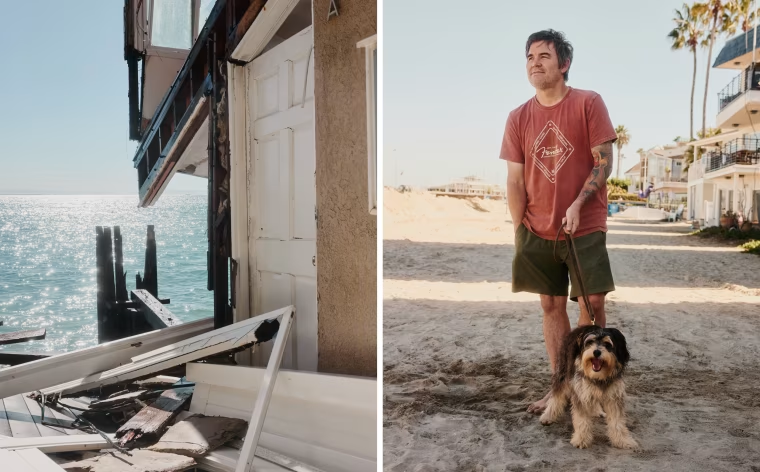
Dana Marie Lazzareschi evacuated with her dog, Harley Quinn. She noted that people no longer realize a beach once existed along the peninsula — a 25-foot-wide sandy strip that has now disappeared. Lazzareschi said she would not buy a home there today, though she still considers the peninsula a dream.
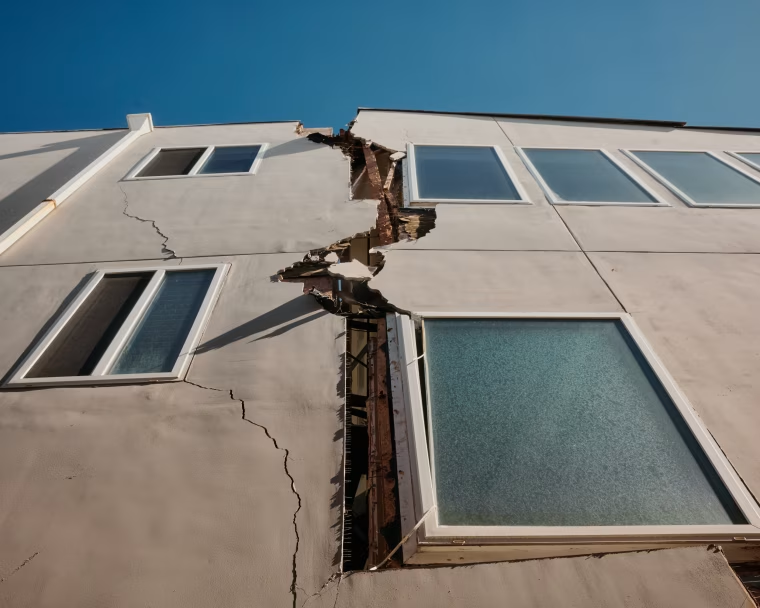
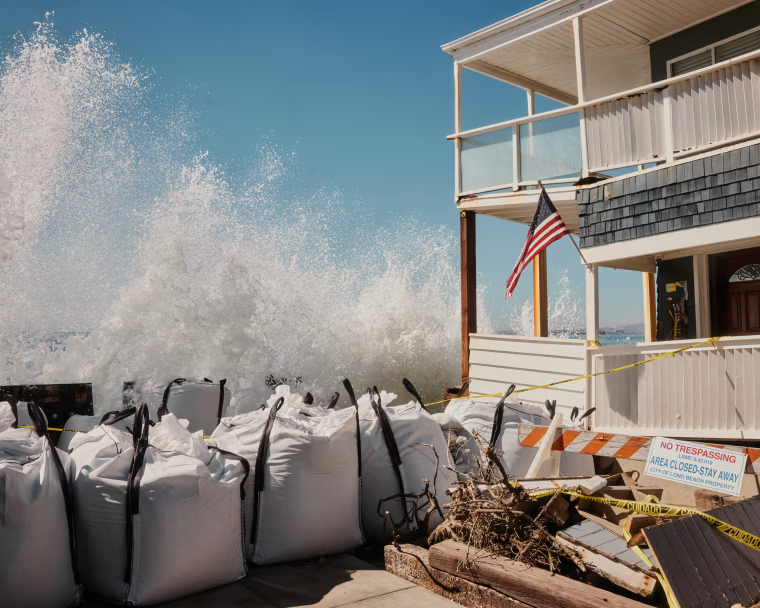
Nearby, a three-floor home cracked from foundation to roof. Its family was on a cruise when the storm hit and could not be reached for comment. Elsewhere, the balcony of a beachfront home collapsed into the sea. Homes on the peninsula were once shielded by sand, boardwalk and sand berms. Those defenses are gone.
From Malibu to San Diego
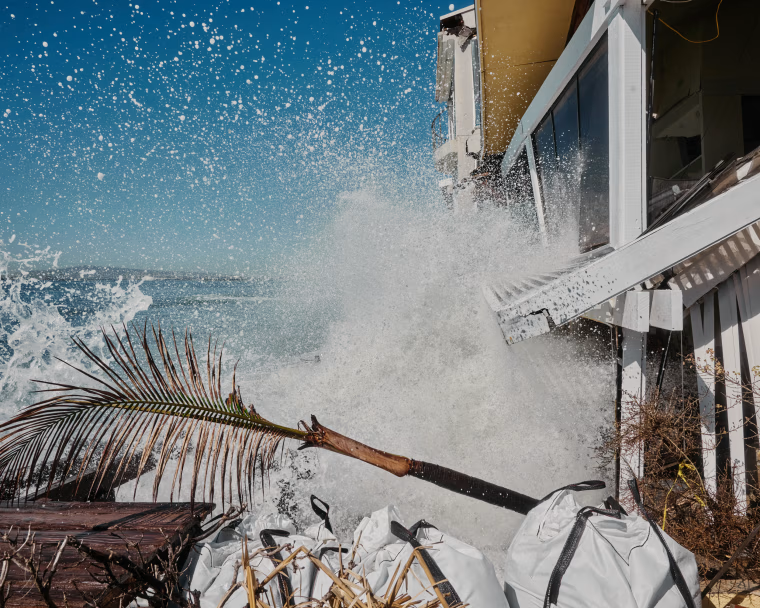
The destruction was not confined to Long Beach. Pacific Coast Highway was closed in Laguna Beach after the roadway cracked and slid. Flooding struck Newport Beach, and evacuations were ordered in Long Beach. Damage stretched from Malibu to San Diego.
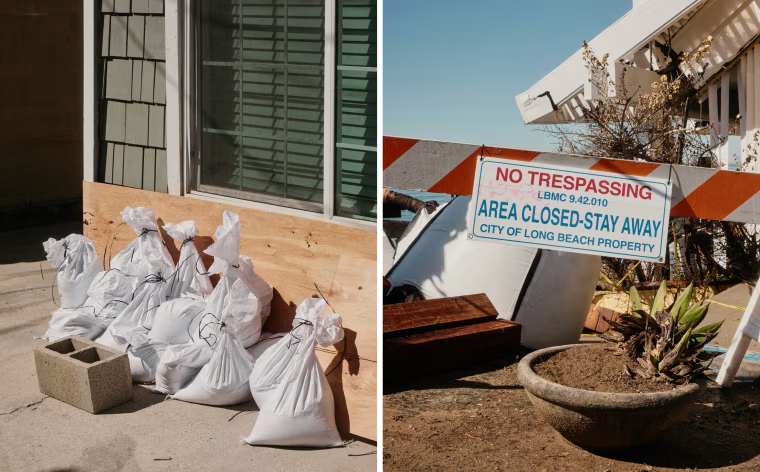
Long Beach city crews had tried to prepare. Before October 9, they patched boardwalk holes with wooden planks and sandbags. The reinforcements did not hold. Mayor Rex Richardson said the city’s infrastructure was not built for current conditions, and Long Beach officials described old infrastructure as unsuited to changing climate patterns. Repairs were planned around lower tides.
A Season of Storms

The October event capped an unusually active hurricane season. Remnants of Hurricane Marie affected the coast over Labor Day weekend, followed by Hurricane Polo at the end of September. Then Tropical Storm Rachel stirred offshore waves up to 17 feet tall. Marie and Polo had each produced waves of about seven feet.
Timu Gallien, an associate professor of environmental and civil engineering at the UCLA Coastal Flood Lab, described the damage as a preview of future conditions. Coastal flooding, she said, will not improve for months. Gallien noted that a lot of water is being directed at the coast and that risk tolerance and engineering protection are key questions.
Climate scientist Daniel Swain said coastal flooding will likely worsen before it improves, and that Northern California should expect similar behavior in November and December.
The El Niño Ahead
El Niño is predicted to be the strongest on record, with its peak expected in January and February 2027. Three more rounds of seasonal high tides were expected in 2026, including one in late October. Kelvin waves can raise wave heights by another foot. High tides exceeding seven feet, combined with storm surges, can be catastrophic.
Scientists have long warned that global warming raises sea levels and intensifies coastal flooding. Coastal erosion caused Pacific Coast Highway flooding in the mid-1980s and late 1990s, during previous El Niño years. The peninsula’s exposure to tides and surges is not new — but the losses of October 2026 have made it impossible to ignore.














1 comment