iPhone 18 Pro Review: A20 Pro Speed Meets Familiar Trade-offs

Notebookcheck’s iPhone 18 Pro review, published on 10 October 2026, lands on a familiar verdict for Apple’s compact flagship: exceptional chip performance and a well-rounded hardware package, undercut by a handful of stubborn shortcomings. Reviewer Marcus Herbrich, with translation by Florian Schmitt, awarded the device an overall rating of 90 percent, or “very good.” The test unit came from notebooksbilliger.de and ran iOS 27.
A20 Pro: 2 nm silicon with top-tier graphics

At the heart of the phone is Apple’s A20 Pro, a 2 nm ARM processor with two Super cores and four efficiency cores, paired with 12 GB of RAM. The 7-core GPU turned in top-tier 3D benchmark results, reaching 10,023 in 3DMark Wild Life Extreme Unlimited. Geekbench 7 scores came in at 4,055 single-core and 11,622 multi-core, while the neural engine posted 7,066 points in Geekbench AI single precision. Apple has also raised NPU memory bandwidth by 50 percent for AI workloads.
Display brightness versus flicker

The 6.3-inch OLED panel offers a 2622×1206 resolution at 458 PPI and a 120 Hz refresh rate, with peak brightness around 3,000 cd/m². The concern is pulse-width modulation: Notebookcheck measured roughly 480 Hz typical dimming and a 60 Hz minimum, a frequency the review says should be addressed in the next model. Display Pulse Smoothing reduces modulation depth to 12 percent at minimum brightness, but the low switching rate remains a potential source of eyestrain for sensitive users.
Variable aperture arrives, with limits

Apple’s main camera now uses a variable aperture spanning f/1.5 to f/4.0 with optical stabilization, adjustable manually across three steps via six plastic blades and a small motor. Notebookcheck calls the mechanism less than a game changer. The 48 MP main sensor measures 1/1.28″, but images lack sharpness and detail in the depth of the scene. Low-light photos drew praise, and color accuracy was good, though the average ColorChecker DeltaE of 6.96 was worse than the iPhone 17 Pro. The 48 MP ultra-wide and telephoto cameras rely on smaller 1/2.55″ sensors; the front camera is 18 MP. Overall, the review finds the camera system not on par with the best Android phones.
Battery, charging and thermals
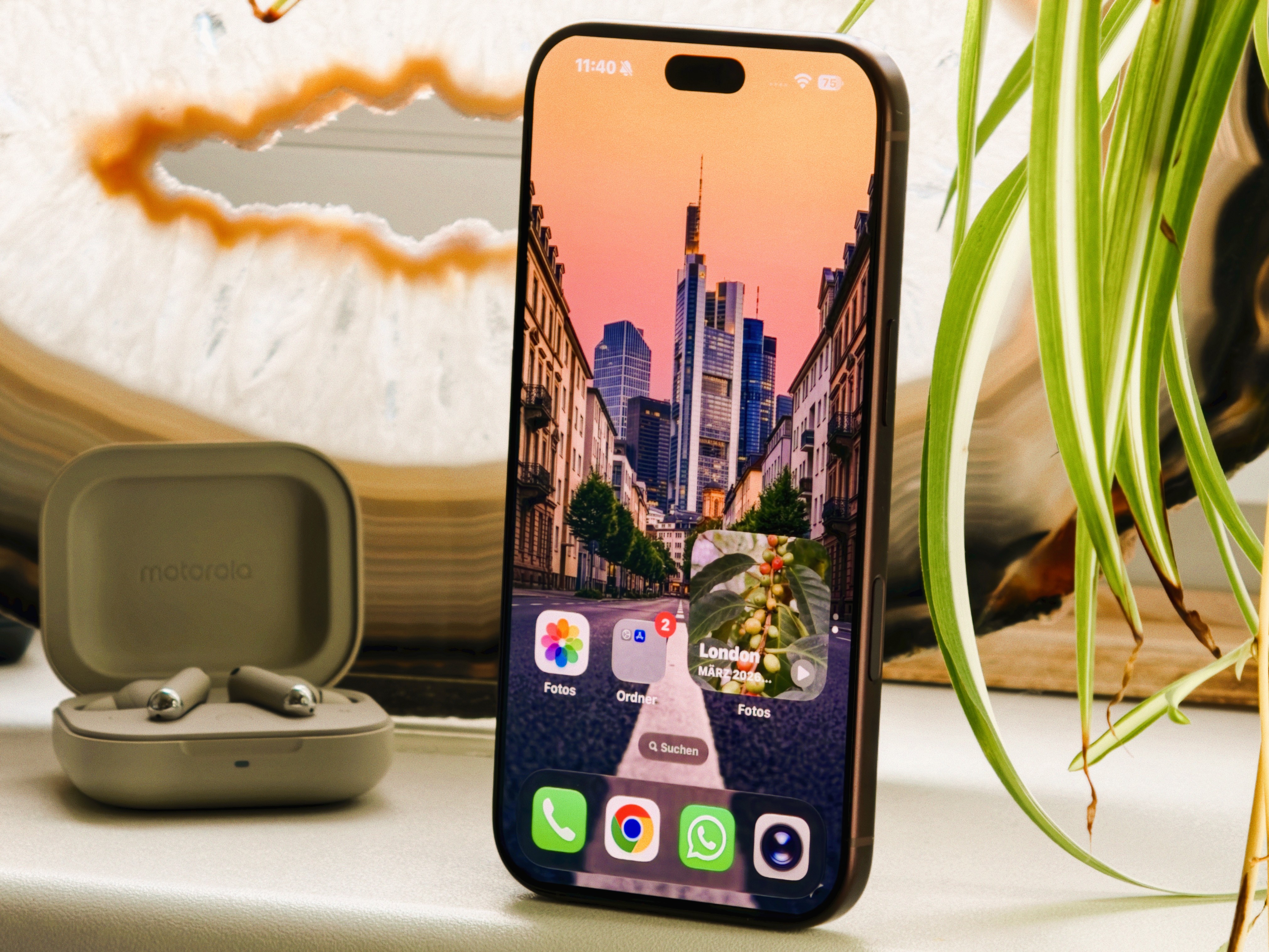
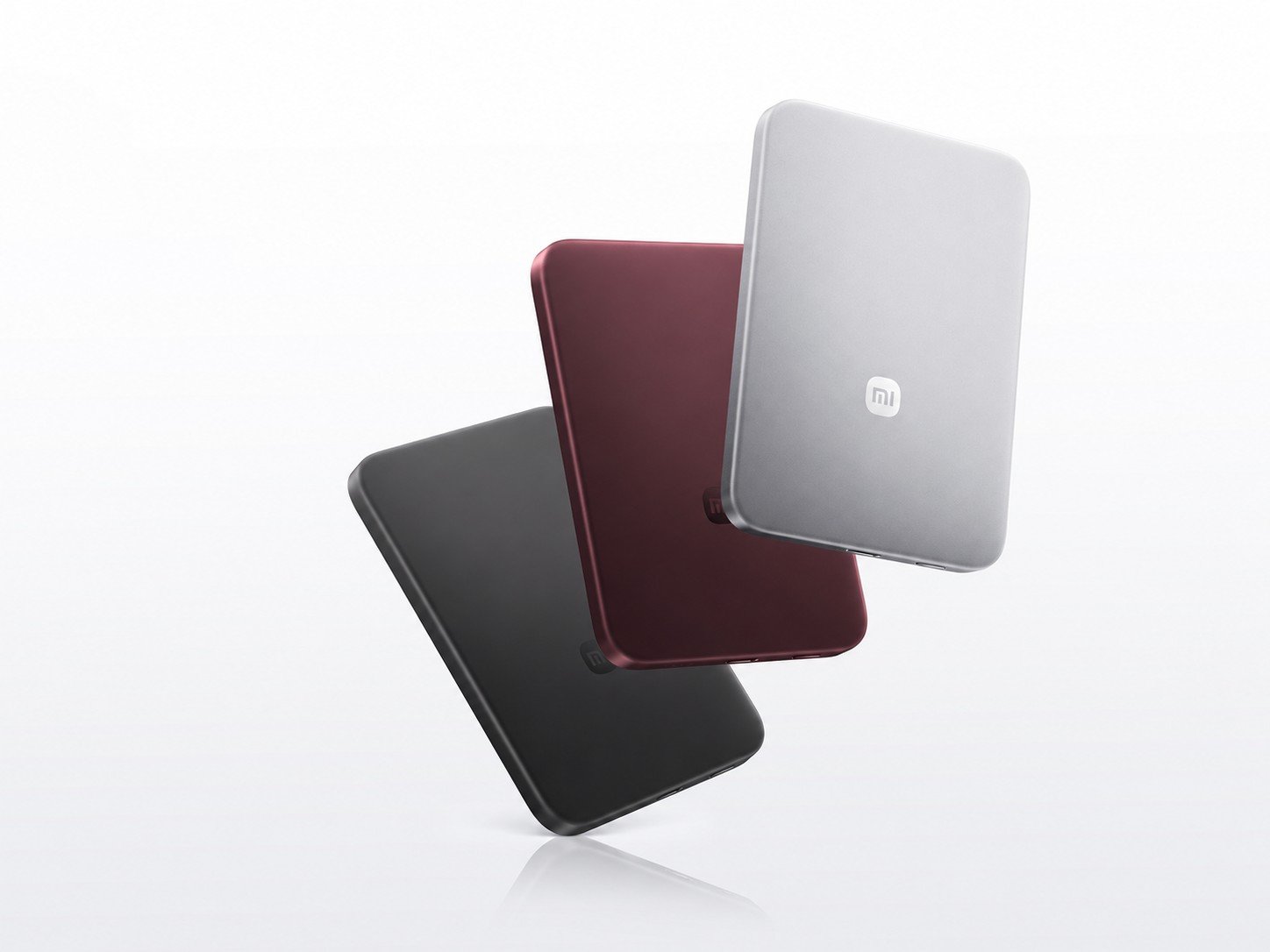
European nanoSIM versions carry a 4,056 mAh battery. Wi-Fi web browsing lasted 19 hours 47 minutes, which the review describes as good for a compact phone. Charging tops out at 40 W with Apple’s Dynamic Power Adapter, and a full charge took just over 60 minutes with a Xiaomi powerbank. Cooling is where the new vapor chamber disappoints: Notebookcheck says it is less efficient than the predecessor’s setup, with more throttling and slightly higher temperatures than the iPhone 17 Pro. Under load the device reached 43°C; 3DMark Wild Life Stress Test stability was 99.9 percent, while Solar Bay stability fell to 71.3 percent.
Build, audio and the fine print
The phone weighs 211 g and measures 8.8 mm thick, with Ceramic Shield 2 on the front, first-generation Ceramic Shield on the back and IP68 protection. Face ID is present and described as reliable and fast, with no fingerprint sensor. The speakers are excellent for the compact class, though Bluetooth codecs are limited to SBC and AAC. Wi-Fi 7 and Bluetooth 6.0 are on board, along with USB 3.2 Gen 2 and MagSafe/Qi2 wireless charging. In Europe, cellular duties fall to Apple’s C2 modem; Wi-Fi iperf3 throughput measured 1,790 Mbit/s transmit and 1,943 Mbit/s receive, which the review says could be higher than competitors.
Apple provides no official update guarantee, though Notebookcheck expects around five years based on the company’s track record. Warranty is 12 months in many countries. The box contains only a USB-C cable and SIM tool, with no charger. Pricing starts at US$1,199 for 256 GB and reaches US$2,399 for the 2 TB model.








1 comment