Carney Makes Final Push Against Alberta Separation Ahead of Monday Vote
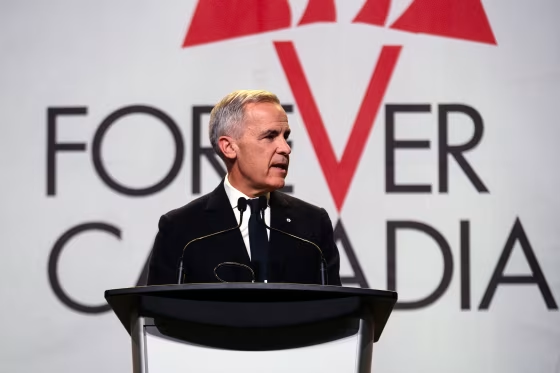
EDMONTON — Mark Carney Alberta separation became the central issue of the prime minister’s final campaign swing, as he urged Albertans on Friday to reject a vote that could set the province on a legal path toward leaving Canada. The Monday ballot does not ask Albertans directly whether they want independence. It asks whether the province should begin the legal process toward a future separation referendum. Carney spent two days in Alberta arguing that the timing could hardly be worse.
A Vote That Is Not Quite a Referendum
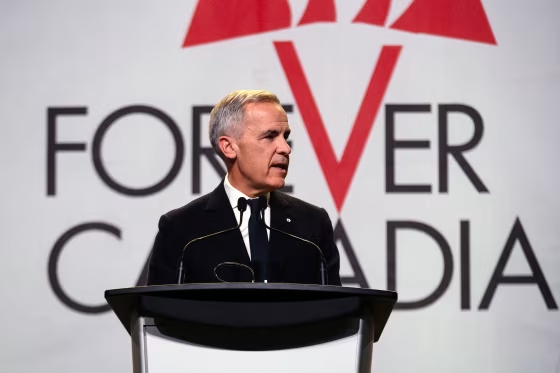
Because the measure stops short of a direct independence question, its consequences are easy to misread. A yes vote would not itself make Alberta a sovereign state. It would instruct the provincial government to start the legal machinery for a later separation vote. Carney warned that even that step would create damaging uncertainty at a moment when Canada faces a trade war launched by U.S. President Donald Trump, who has threatened to make Canada the 51st state.
Speaking in Edmonton, the city where he grew up, Carney said the outcome is not predetermined and that turnout will decide it. He described a vote against Canada as a dangerous bluff. He also warned that outside forces are seeking to break and own the country, and he drew on childhood memories of federal energy policies to explain his personal stake in the province.
Strange Allies Against Separation

The campaign has produced an unlikely pairing. Carney and Alberta Premier Danielle Smith appeared together in Red Deer to oppose independence, even though Smith called the vote herself. Smith, a conservative who leads the United Conservative Party, cited a poll showing 22% of Albertans support separation — a level she called too high — and she faces separatist pressure inside her own party.
Yet Smith also praised what she described as real change in federal-provincial relations over the past 18 months. She said Carney had addressed seven of nine federal laws Alberta opposed and cited cooperation on a proposed oil pipeline. Joking about his fandom for the Edmonton Oilers, she said Carney cannot be all bad. She concluded that Alberta and Canada are now walking together.
Not everyone was persuaded. Tanya Clemens, an independence advocate, dismissed the agreements between Carney and Smith as conditional pinky promises. Outside the Edmonton venue, independence supporters rallied with flags and signs.
Oil, Trade and the Case for Staying
Carney’s appeal leaned heavily on economics. Alberta holds most of Canada’s proven oil reserves, the fourth largest such holdings in the world, and he argued that the province’s prosperity depends on its place within Canada. His crowds applauded loudest when he spoke about reducing dependence on the U.S. economy. The trade war with Washington has given that argument new urgency.
Opposition to separation crosses party lines. Federal Conservative Leader Pierre Poilievre urged Albertans not to leave their fellow Canadians behind. Former Alberta premier Jason Kenney said the independence movement gained influence through anger over COVID-19 restrictions and conspiracy theories. Former prime minister Justin Trudeau, who clashed repeatedly with Alberta over the carbon tax and energy policy, is no longer in office, but the disputes of his era still shape the debate.
Nine Other Questions, One More Split

The ballot also contains nine other questions on immigration and provincial powers. Smith wants voters to approve them; Carney urges rejection. That division sits beneath the surface of their shared opposition to independence. Some remain supporters, including retired Calgary resident Deb Lee, criticized Smith for calling the vote at all, calling it a travesty given the small share of Albertans who back separation.
What happens after Monday is uncertain. The actual turnout, the final result and the precise legal steps toward separation all remain unknown. Carney’s argument is that the risk of starting down that road is too great to take.
















1 comment