Durban Test Loses 60+ Overs to Bad Light as Pink Ball Sits Unused
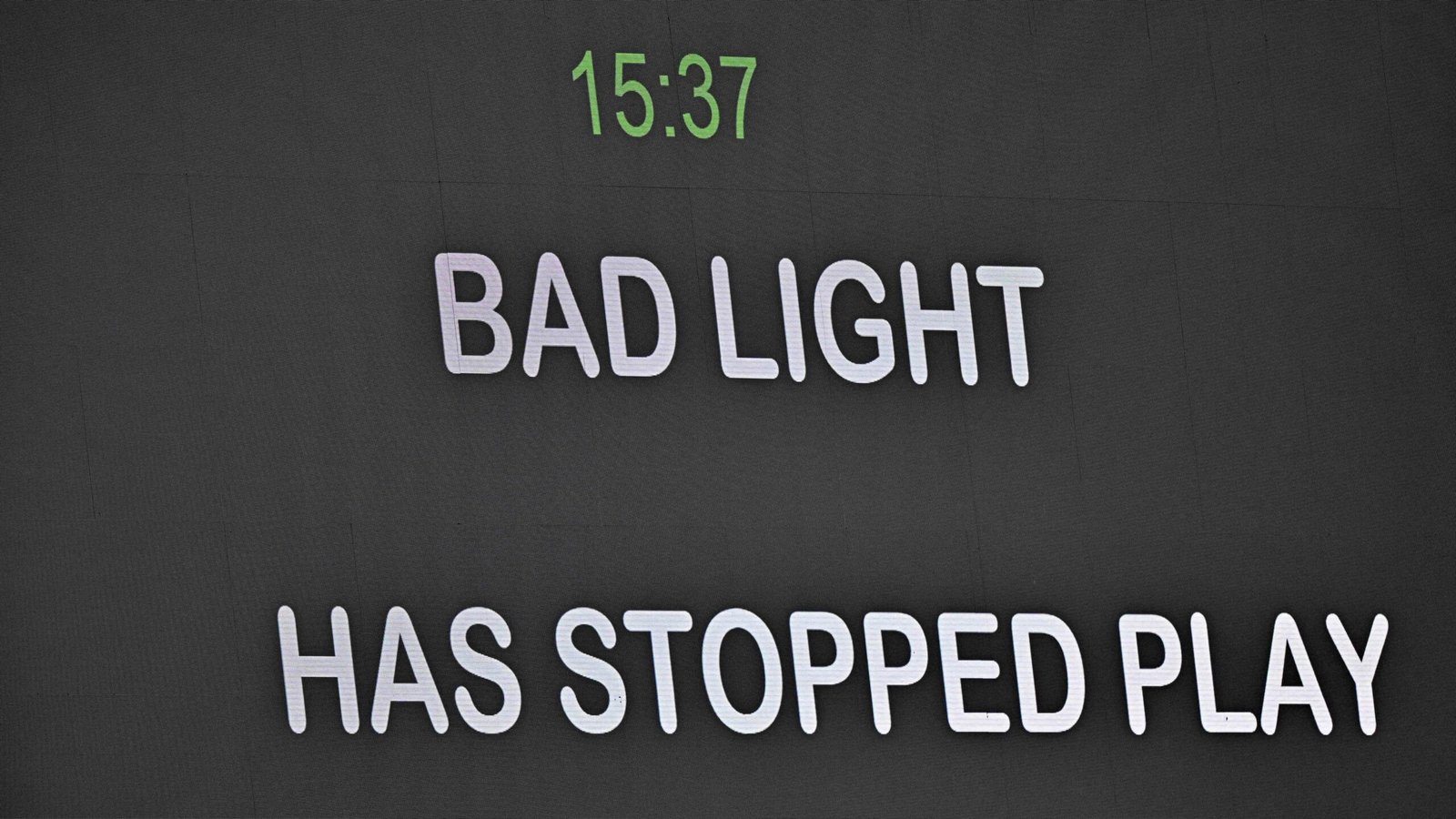
Bad light cricket has once again disrupted a major Test, with the first match between South Africa and Australia in Durban losing more than 60 overs across the first three days. The stoppages came despite the ICC’s recent amendment to playing conditions that permits the use of a pink ball in Tests, a change that was never triggered because the two teams had not agreed to it before the match.
Afternoon Cloud Forces Early Exits at Kingsmead

Play was halted on each of the first three days at Kingsmead. On day one, the players left the field at 15:23 local time with only 65.2 overs bowled. Day two ended at 16:25, and day three at 16:31. The scheduled 90 overs per day were never completed, and the cumulative loss exceeded 60 overs.
Chris Fawkes explained the Durban weather pattern behind the interruptions. Mornings were hot and sunny, but a sea breeze increased humidity through the afternoon, leading to thicker, lower clouds. Sunset was not until shortly after 18:00, yet the gloom arrived well before that, making conditions unsafe or unreasonable for play under the umpires’ assessment.
New Pink Ball Rule Requires Pre-Match Agreement

The ICC amended its playing conditions after a trial earlier in the year, allowing a pink ball to be used in Tests. However, the rule is optional and only applies if both teams agree before the Test begins. No such discussions took place between South Africa and Australia for this match. The pink ball is standard in day-night Tests because it is easier to see in poor light than the red ball, but the rule does not allow a mid-match switch from red to pink.
Shaun Pollock, who served on the ICC committee that recommended the change, believes a stigma surrounds the pink ball. He suggested teams blame the pink ball for outcomes. Pollock estimated that its use would have allowed about 45 more overs in this Test.
Player Views on Enforcement and Integrity
Vernon Philander prefers switching balls mid-match if conditions require it. He argued that the ICC should enforce pink ball use through the umpires when light fades. Philander also noted that a mid-match ball change raises integrity questions.
Michael Vaughan had previously suggested a mid-match ball switch, though the current rule does not permit it.
Australia’s Day-Night Dominance
Australia have played 15 day-night Tests, more than any other team — 10 more than their nearest rival. Mitchell Starc has 89 wickets in 15 day-night Tests. The top four wicket-takers in day-night Tests are all Australian. Batting averages are lowest in the evening sessions of those matches.
Some narratives claim the pink ball moves more under floodlights, but ball-tracking data does not back that up. Batters do find the pink ball harder to see.
Australia lead by 139 runs after the early finishes. Their first innings recovered from 124-6 to 390. The exact number of overs lost per day remains unclear, as does whether teams will agree to the pink ball in future Tests or if the ICC will allow a mid-match switch.













1 comment