Manchester City Appeal Tests Whether Commission Got the Facts Right
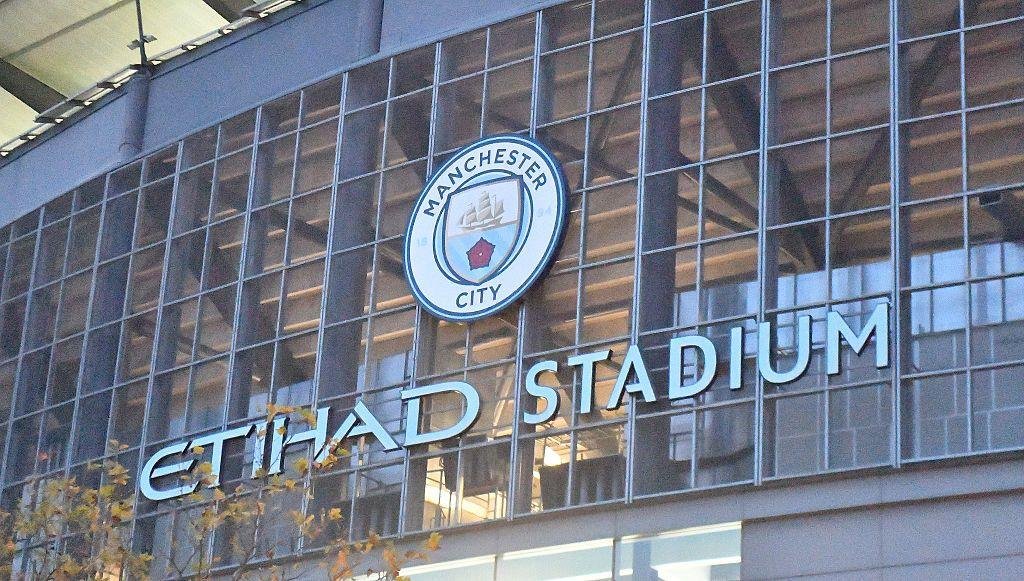
Manchester City appeal — Manchester City’s appeal against a guilty verdict on Premier League financial rules will turn on whether the club can show material error or serious procedural unfairness, according to legal experts assessing the case. The Independent Commission found City guilty of all charges covering the 2009-10 to 2017-18 seasons, concluding that sham contracts inflated sponsorship deals by £830m. City deny wrongdoing, say the sponsorship amounts were legitimate, and argue the ruling contains irrefutable evidence of material errors.
The commission’s findings and City’s defence

The Commission’s central conclusion was that sponsorship arrangements were not what they appeared. City’s position is that payments came from the Abu Dhabi government in its capacity as a shareholder of the sponsors, not as disguised owner funding. The club also points to inconsistencies in the Commission’s judgement and says government documents fully support its case.
Etihad Airways, whose sponsorship of City began in May 2009, is a focus of the dispute. A 2015 statement in New York court documents from a US investigation said the Abu Dhabi government did not pay for Etihad’s City sponsorship. City argue that statement lacks full context and does not prove inconsistency. Etihad has also said the Premier League never gave it an opportunity to be represented or provide information.
What a successful appeal requires
James Severn, an LSLA member and partner at Penningtons Manches Cooper, said an appeal requires a material error of law, principle or fact, or serious procedural unfairness. The Appeal Board has broad powers to allow, dismiss, vary or make orders, he said.
Severn cautioned that evidence already before the Commission may not help City’s appeal. Bank statements and government records could be powerful if they show a clear audit trail, but if that evidence was already considered, City face an uphill struggle. On Etihad’s complaint, he said it alone does not establish procedural unfairness: Etihad was not a respondent and likely had no independent right to participate, and either party could likely have obtained and presented such evidence. New Etihad evidence, he added, would carry more weight if supported by contemporaneous documents.
Football Leaks and the commission’s credibility findings
City may argue the Commission relied too heavily on Football Leaks emails. Severn said a misunderstanding of those emails could amount to a material factual error, though the Commission heard extensive witness and documentary evidence.
Kieran Maguire, a football finance professor at the University of Liverpool, said the Commission found documents had been retrofitted to fit the crime. In his assessment, the Commission likely found City’s evidence and witness credibility poor.
Attacking the Commission itself
Maguire said City could challenge the Commission’s composition on the basis that the Premier League selects its members, but he described that route as remote. Severn noted that Commission members were retired senior judges and leading barristers, experienced in facts and evidence.
Maguire nonetheless sees a route for City. He suggested the club’s lawyers may adopt a mess and noise approach aimed at discrediting the Commission process, and said Abu Dhabi documents from the New York case can be seen more than one way.
Mark Howard KC is advising City, while Quinn Emanuel represents Etihad. Severn said assessing the appeal’s chances reliably is impossible and that winning will not be easy. Under Premier League rules, the appeal must be heard within 12 weeks or by Christmas Eve, though Severn said the final outcome may take some time given the scale and complexity of the case.













1 comment