Elgato Wave Go Review: A Tiny Wireless Mic With a Handheld Twist
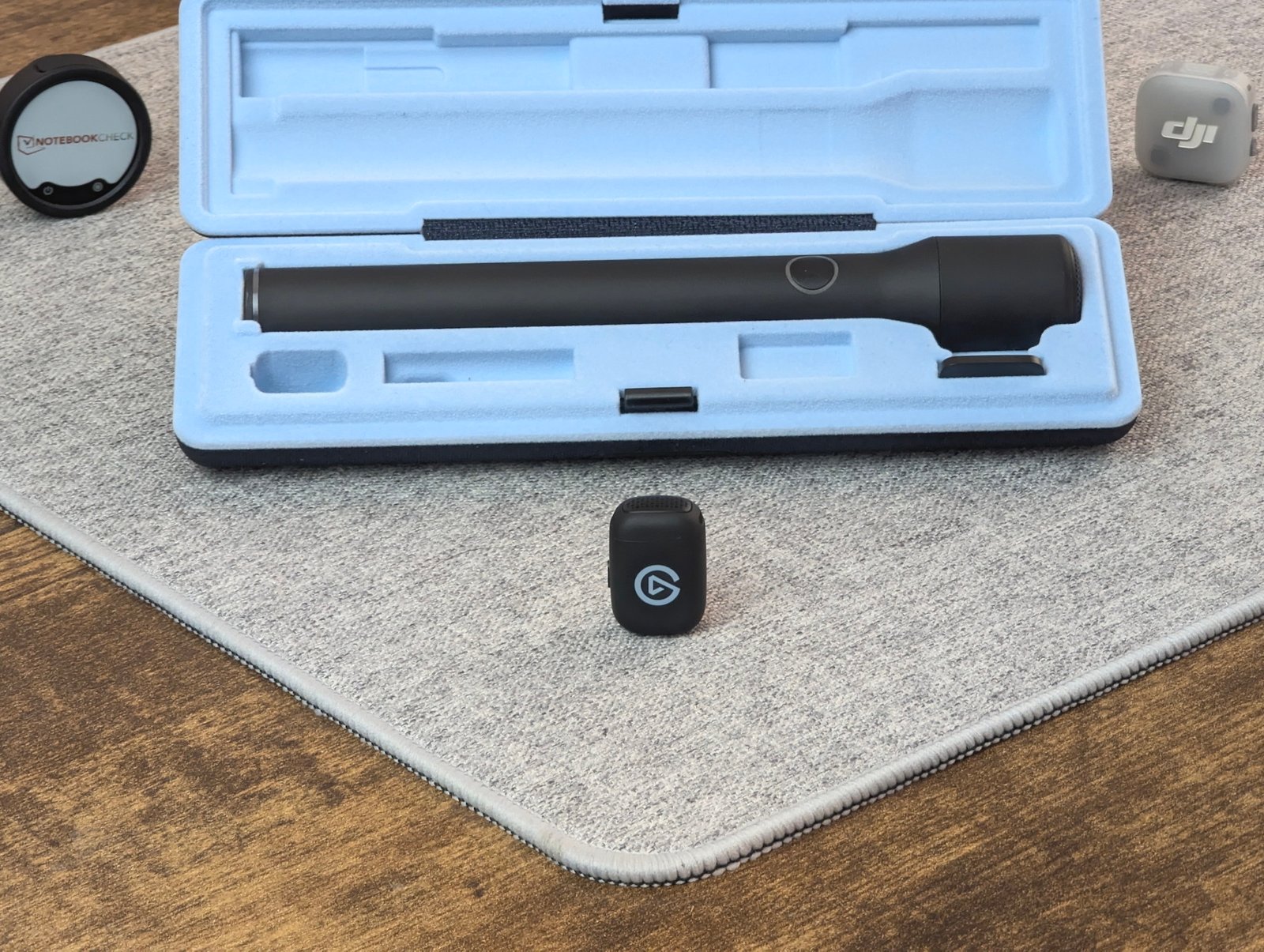
Elgato’s entry into the wireless microphone market is unusually small. The Elgato Wave Go, announced on October 13, 2026, is a clip-on wireless mic built around a USB-C receiver, and at 20 x 29 x 12 mm and 7 grams it undercuts the DJI Mic Mini on size. A review published two days after launch evaluated whether the tiny footprint comes with compromises.
Price, editions and what ships in the box
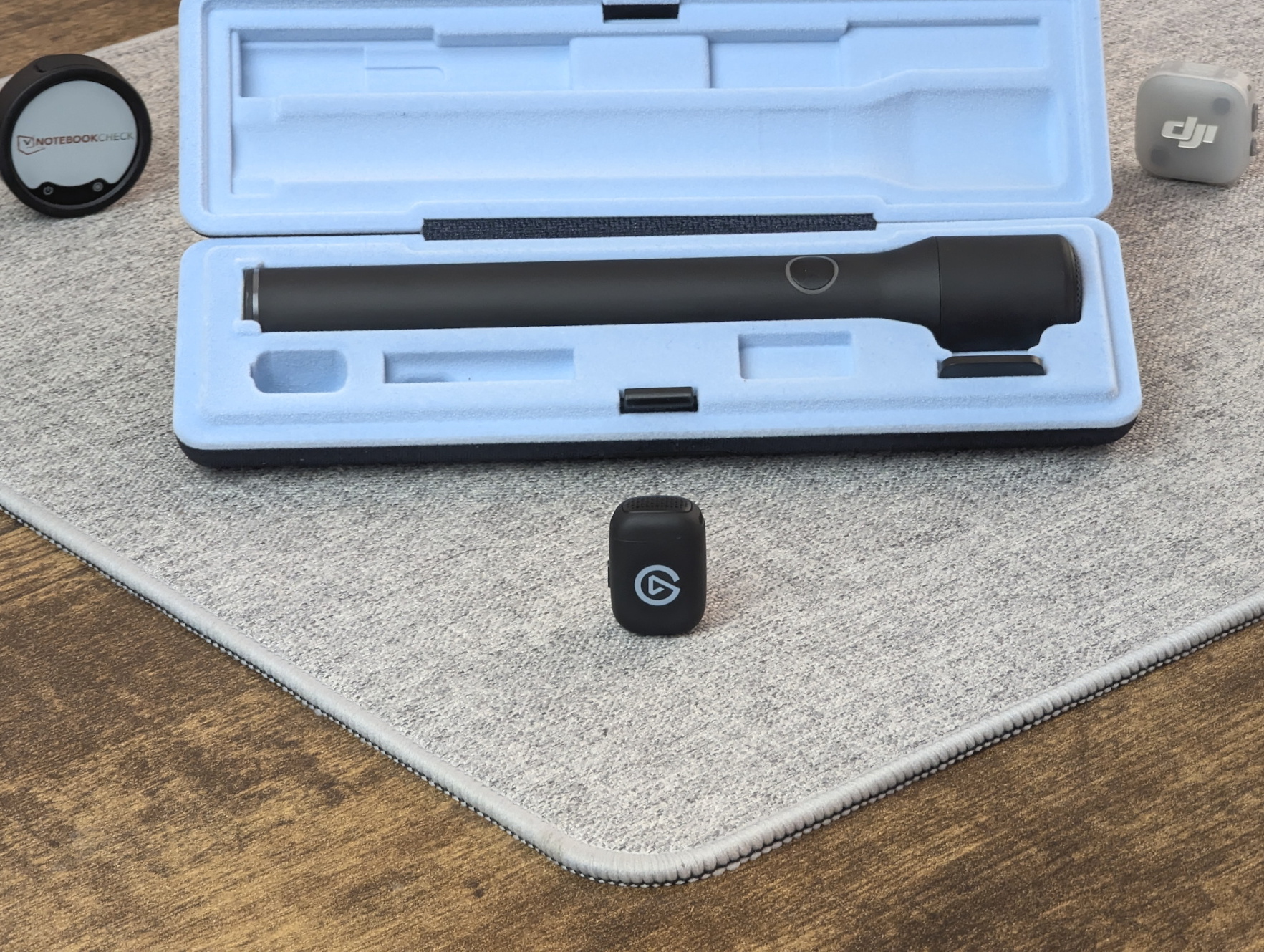
The Wave Go costs $99.99, €99.99 or £99.99 at launch and is sold through elgato.com. A two-mic bundle is priced at €114.99. Buyers get the microphone, a USB-C receiver, a charging case and a handheld grip. The case has a textured fabric finish and opens with a button, resembling an eyeglass case; its interior is blue on the Day One Edition and gray on the standard version. A magnetic clip, an extra magnet and two windshields in a separate pouch round out the package.
The handheld grip is the standout extra
Most compact lavalier-style mics are meant to be clipped on and forgotten. Elgato adds a grip that unscrews so the mic can be inserted, turning it into a handheld microphone for interviews or stand-ups. The grip also carries a 900 mAh battery that extends runtime from the mic’s rated 8 hours to 48 hours. The microphone itself has an 80 mAh battery, and the case charges over USB-C.
Specifications at a glance
- 6 mm condenser capsule, 60 Hz–20 kHz frequency response
- 48 kHz/24-bit sample rate
- 2.4 GHz ISM band transmission with LC3 codec at 2 Mbps
- Latency of 24 ms or less
- Range up to 30 m
Onboard processing covers an EQ shift, auto gain, a limiter, noise suppression and a low-cut filter. The companion app, available on the Play Store, handles gain, noise reduction and battery checks, and a double-press of the mic button starts recording on a paired phone.
Audio quality compared with DJI and Insta360
The reviewer found the Wave Go louder than both the DJI Mic Mini and the Insta360 Mic, with slightly more bass. Ambient noise filtering worked effectively. That loudness has a downside: on variable audio sources it may cause clipping. The Insta360 Mic was described as sounding more premium overall. The microphone’s surface also attracts fingerprints.
Wireless range and the limits you should know
Elgato rates the 2.4 GHz link at up to 30 m, but walls matter. In an indoor test the signal degraded through walls and cut out at around 7 m; outdoor range was greater but not measured precisely. Two omissions stand out. There is no internal storage, so the mic cannot record on its own, and there is no 3.5 mm jack. Bluetooth is used only for pairing with the app, not for audio transmission.
Compatibility: USB-C only, no cameras
The receiver plugs into a USB-C OTG port, which means the Wave Go works with USB-C phones, tablets and PCs running Windows 11, macOS, Android or iOS with USB-C. It does not support cameras or DSLRs, and older smartphones without USB-C are left out. That narrows its appeal for videographers who want a mic that works across a camera bag.
Verdict
For $99.99, the Wave Go pairs a genuinely pocketable mic with a grip that adds handheld flexibility and a large battery reserve. The audio is loud and bass-forward, and noise suppression is effective. The trade-offs are real, though: no internal recording, no analog output and no Bluetooth audio. Creators who work entirely within USB-C devices will find a lot to like; those who need camera compatibility should look elsewhere. The review sample was provided by the manufacturer free of charge, with no influence on the assessment.










1 comment