September Inflation Hits 3.7% as Energy Costs Surge Ahead of Midterms
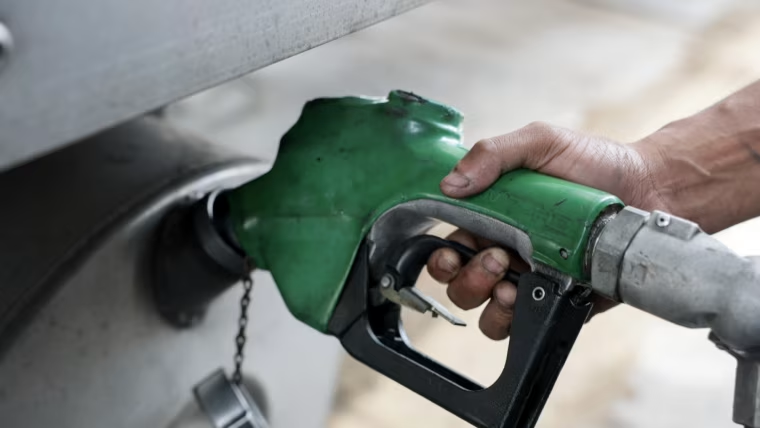
The September inflation report, released Wednesday by the Bureau of Labor Statistics, showed consumer prices rising 3.7% over the past year, a pace that keeps cost-of-living concerns at the center of the political debate with midterm elections just weeks away. On a monthly basis, prices climbed 0.6% from August, with gasoline alone accounting for more than half of that increase.
Gasoline and Diesel Drive the Surge
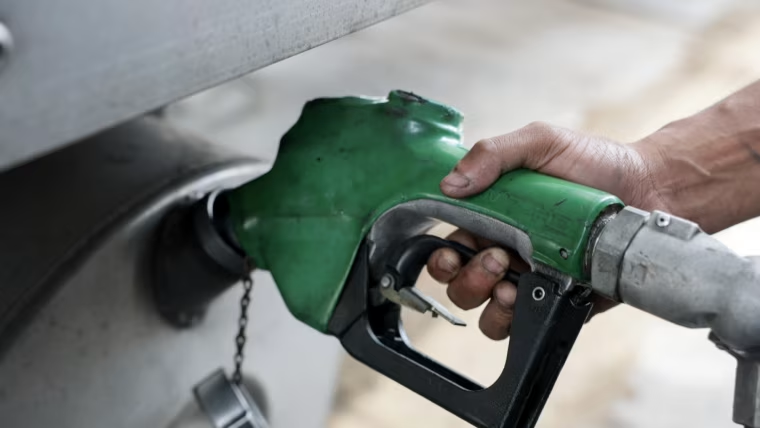
Energy costs have spiked since the United States and Israel launched a war with Iran in late February. The gasoline index jumped 9.1% in September, and since late February, unleaded gas prices have risen 45% while diesel has soared 70%. Oil prices, which hovered around $80 per barrel in August, now exceed $106 per barrel.
Core Inflation and Broad Price Pressures

Stripping out volatile food and energy costs, core inflation rose 2.6% annually and 0.3% from August. Price increases were widespread: housing, clothing, and restaurant and takeout food all became more expensive. Only three major categories saw declines: groceries, medical care commodities, and utility gas service.
Computer, software, and accessories prices posted record year-over-year increases, a trend tied to the ongoing AI data center build-out. Smartphone prices edged up 0.4% month over month, while airline fares rose just 0.2% from August, the smallest increase since June.
Wages Lag Behind Rising Prices

Wage growth has been stuck at 3% annually as of September. Paychecks have not outpaced inflation since March, leaving many households with shrinking purchasing power even as the job market remains steady.
Markets React and Rate Hike Odds Climb

Stocks sold off sharply Wednesday following the data. The Nasdaq Composite closed down 1.8%, the S&P 500 tumbled 1.1%, and the Russell 2000 slid 1.9%. Interest-rate sensitive sectors, including technology and industrials, bore the brunt of the selling. Bond yields initially rose, but key consumer borrowing rates ended flat.
Market odds for a Federal Reserve rate hike in October jumped above 55% after the report, up from expectations before the data that the central bank would wait until December. A rate hike would raise costs for credit cards, personal loans, and vehicle loans.
Political Fallout Before Midterms

This was the final CPI report before the November midterm elections, and early voting kicked off this week. Polls show inflation and the cost of living are top issues for voters in both parties, with Republicans defending their majorities in the House and Senate.
Kevin Hassett, director of the National Economic Council, called the number disappointing but said Trump administration policies help keep inflation down. Meanwhile, Bank of America CEO Brian Moynihan said customer spending is 5% higher than a year ago, and Citigroup CEO Jane Fraser noted the consumer still drives economic momentum.
Whether that resilience can hold through the election and beyond may depend on energy prices and the Fed’s next move, neither of which is certain.


















2 comments